
What to Know Before Installing a Fence: A Complete Guide

Key Highlights
A property survey confirms your exact boundary lines and helps you avoid costly disputes with neighbors.
Most municipalities require a permit for fences above a certain height — skipping this step can lead to fines or forced removal.
HOA approval is often mandatory in planned communities, even when a city permit isn't required.
Calling 811 (or your local utility marking service) before digging is free, fast, and legally required in most areas.
Fence installation typically costs 15–60 per linear foot, depending on material, length, and site conditions.
Material choice (wood, vinyl, chain link, aluminum, or rail) affects your upfront cost, maintenance needs, and how long the fence lasts.
Hiring a licensed, insured contractor reduces the risk of code violations, poor workmanship, and unexpected costs.
Introduction
A new fence adds privacy, security, and curb appeal to any property — but a smooth installation depends entirely on what happens before the first post goes into the ground. Homeowners who skip planning steps like surveys, permits, and utility marking often end up facing fines, project delays, or a fence that has to be torn out and rebuilt in the correct location.
This guide walks you through everything you need to know before installing a fence, from confirming your property lines to choosing the right contractor, so your project goes smoothly from day one.
Essential Things to Know Before Installing a Fence
Why Proper Planning Is Crucial for Fence Installation
Fence installation is considered a construction project in most municipalities, which means it's subject to local zoning rules, building codes, and sometimes HOA guidelines. Planning ahead ensures your fence is built on your actual property line, meets height and style regulations, avoids buried utility lines, and fits comfortably within your budget. Skipping this groundwork doesn't just risk a fine — it can mean paying to move or rebuild an entire fence line.
Common Consequences of Skipping Pre-Installation Steps
Boundary disputes with neighbors if the fence is built even a few inches over the property line
Stop-work orders or fines from the city if a required permit wasn't obtained
Forced removal or relocation of the fence if it violates HOA rules or local setback requirements
Damaged utility lines, which can cause outages, safety hazards, and repair bills
Budget overruns from unplanned costs like permit fees, extra materials, or site prep
Beginner's Guide to Getting Started with Fence Installation
Tools, Documents, and Resources You'll Need
Before you request quotes or break ground, gather the following:
A copy of your property survey or plat map
Your HOA covenants and guidelines (if applicable)
Contact information for your local building/zoning department
Your 811 utility marking request confirmation
A rough site sketch showing where you want the fence
A budget range based on linear footage and material preference
A shortlist of licensed, insured contractors in your area
Important Contacts: HOA, Local Building Department, and Utility Marking Services
Three calls can save you significant time and money before installation begins:
HOA management office — to confirm style, height, and material restrictions
City or county building department — to ask whether your project needs a permit
811 (Call Before You Dig) — a free national service that marks underground utility lines within a few business days
Step-by-Step Fence Installation Checklist
Step 1: Confirm Your Property Lines with a Property Survey
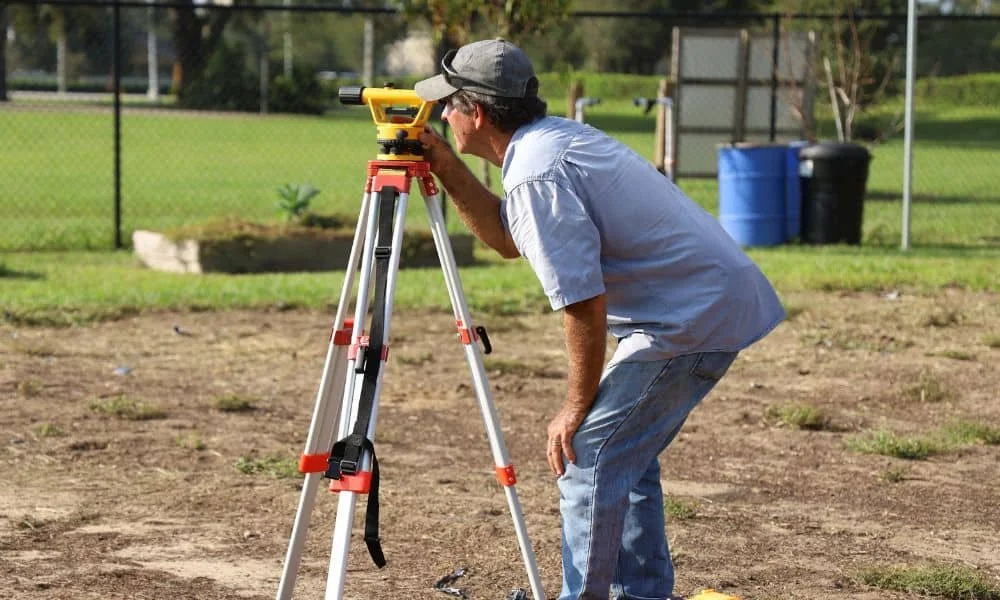
A property survey is a professional map that shows your exact boundary lines, easements, and any existing structures. Building even slightly over your property line can lead to a dispute that forces you to move the entire fence at your own expense. If you don't already have a survey on file, your local county recorder's office or a licensed surveyor can provide one. In many areas, a survey is also required to obtain a fence permit.
Step 2: Review Local Fence Permit Requirements
Permit rules vary widely by city and even by neighborhood, but most municipalities require a permit once a fence exceeds a certain height — commonly 6 feet for backyard fences and 3–4 feet for front-yard fences. Contact your local building or zoning department directly, since regulations can differ based on fence style, material, and even proximity to the street. Skipping a required permit can result in fines or an order to remove the fence entirely.
Step 3: Obtain HOA Fence Approval (If Applicable)
If your property is part of a homeowners association, you'll likely need written approval before installation — even if the city doesn't require a permit. HOA guidelines often dictate approved materials, colors, height limits, and setback distances. Submit your fence plan for review early, since approval can take anywhere from a few days to several weeks depending on your HOA's process.
Step 4: Schedule Utility Marking Before Digging
Before any digging begins, call 811 or your local utility locating service to have underground gas, electric, water, and cable lines marked. This service is free and typically takes just a few business days. Striking a buried utility line during fence installation can cause outages, safety hazards, and expensive repairs — and in many states, skipping this step is against the law.
Step 5: Plan and Set Your Budget for Fence Installation
Fence installation costs generally range from $15 to $60 per linear foot installed, depending on your area, material, and site conditions. Key cost factors include the following:
Material type (wood, vinyl, aluminum, chain link, or rail)
Total linear footage of the fence line
Labor and site conditions, such as slopes, tree roots, or rocky soil
Gates and hardware, including automated gate openers
Permit and survey fees, if applicable
Getting a detailed, itemized estimate upfront helps you avoid surprise costs once installation begins.
Step 6: Decide Between DIY vs Hiring a Fence Contractor

DIY installation can save on labor costs but requires the right tools, physical effort, and a solid understanding of local codes. Hiring a licensed, insured fence contractor typically means faster installation, proper post depth and alignment, help navigating permits and HOA approval, and a warranty on workmanship. For most homeowners, the time saved and reduced risk of code violations make a professional installation worth the added cost.
Quick Pre-Installation Checklist for Homeowners
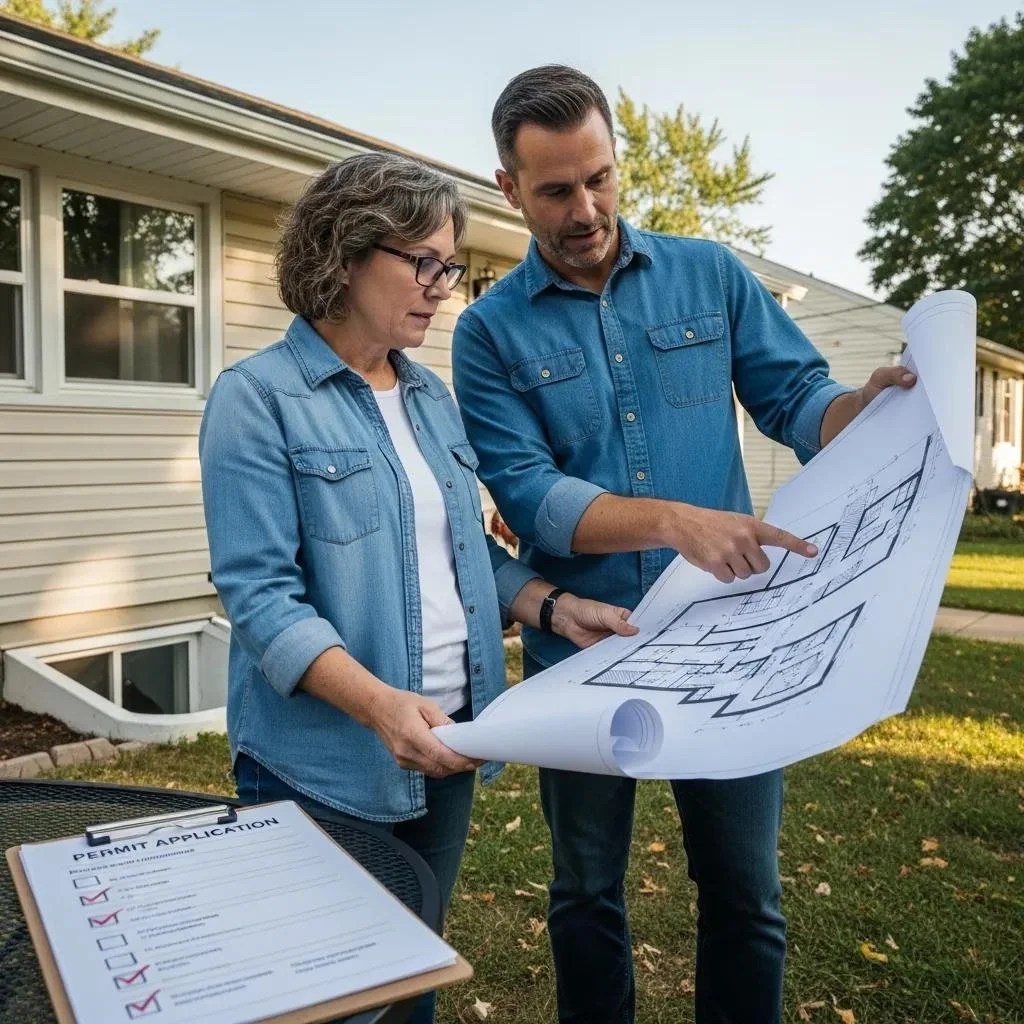
Bullet List of Must-Do Items Before Installing a Fence
Obtain or confirm your property survey
Check city/county permit requirements
Submit plans for HOA approval (if applicable)
Call 811 to schedule utility marking
Set a realistic budget with a linear-foot estimate
Choose a fence material suited to your needs and climate
Get quotes from at least 2–3 licensed contractors
Confirm contractor licensing, insurance, and warranty terms
Conclusion
Installing a fence is a significant investment in your property's privacy, security, and value — but only when it's done right. Confirming your property lines, securing the proper permits and HOA approval, marking utilities, budgeting realistically, and choosing the right material and contractor all work together to prevent costly mistakes. A little preparation upfront means a fence you won't have to second-guess later.
Frequently Asked Questions
Do I need a permit to install a fence?
In most cases, yes — especially if your fence exceeds a certain height, commonly 6 feet in backyards or 3–4 feet in front yards. Requirements vary by city and neighborhood, so it's best to check with your local building department before starting construction.
How do I find my property line before installing a fence?
The most reliable way is to obtain or order a professional property survey, which marks your exact boundaries with physical pins or stakes. You can also check county records for an existing survey on file for your property.
How much does it cost to install a fence?
Fence installation typically costs between $15 and $60 per linear foot, depending on the material, length, and site conditions. Getting a detailed estimate from a local contractor is the best way to get an accurate number for your project.
Does my HOA need to approve my fence?
If you live in a community governed by a homeowners association, approval is usually required before installation — even if a city permit isn't needed. HOAs often have specific rules about height, material, and color.
Choosing the Best Fence Contractor in Columbus, Ohio
Look for a contractor with local experience, proper licensing and insurance, and a track record of handling permits and HOA approvals on your behalf. Companies that manufacture fencing in-house often offer more consistent quality and customization than those relying on outside suppliers.
What to Look For in a Reliable Fence Contractor
Proper licensing and liability insurance
Transparent, itemized written estimates
Experience with local permit and HOA processes
Positive reviews and a visible portfolio of past work
A clear workmanship warranty
How to Extend the Lifespan of Your New Fence
Regular maintenance — such as resealing wood, cleaning vinyl or metal surfaces, and promptly repairing loose posts or panels — can significantly extend your fence's lifespan. Keeping vegetation trimmed away from the fence line also helps prevent moisture damage and structural wear over time.
Final Thoughts & Next Steps for Your Fence Project
Once you've confirmed your survey, permit, and HOA requirements and scheduled utility marking, the next step is requesting detailed quotes from a few trusted local contractors. Comparing estimates side by side helps you choose the best fit for your budget, material preferences, and timeline.
What to Expect During Your Initial Consultation
A good contractor will walk your property with you, measure the fence line, discuss material and style options, and explain how they'll handle permits, HOA paperwork, and utility marking. You should leave the consultation with a clear, written estimate and a realistic installation timeline before any work begins.
