
Types of Fences: Materials, Styles and Best Uses
Key Highlights
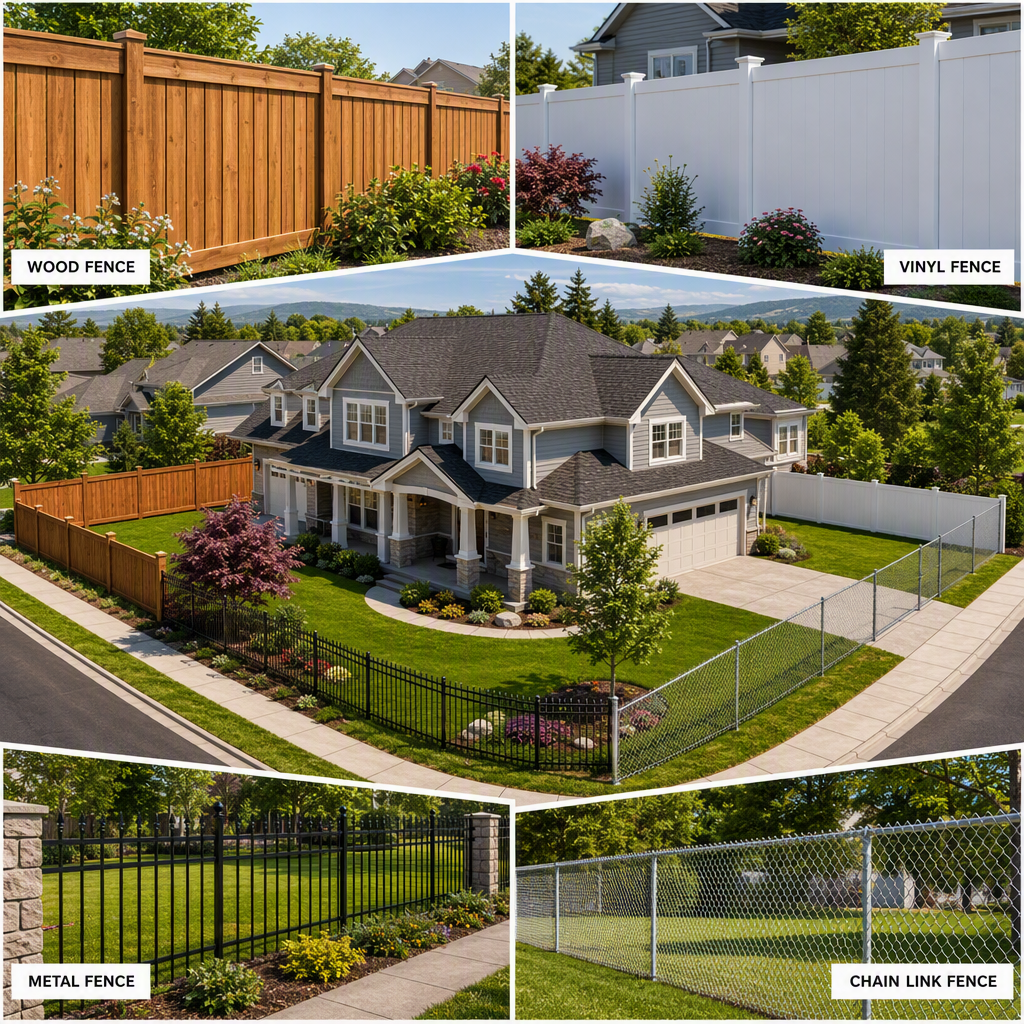
The main types of fences include wood fencing, vinyl fencing, aluminum, chain-link, rail, agricultural, and custom designs.
Each fence material serves a different goal, from privacy and security to curb appeal and livestock control.
Wood fence styles offer natural warmth, while vinyl fencing gives you low maintenance and a clean finish.
Chain link works well for affordable protection, and aluminum adds decorative value with little maintenance.
Composite fencing appears in comparisons because some homeowners like wood fibers with low maintenance benefits.
The right fence depends on budget, appearance, property use, and long-term upkeep.
Introduction
Choosing among the many types of fences can feel hard at first. You want the right fence for privacy, security, pets, or better curb appeal, and the best option depends on your yard and goals. This guide explains the main fence materials, common fence styles, best uses, maintenance levels, and expected lifespan in simple terms. If you are planning fence installation in Columbus, Ohio, this overview will help you make a clear, informed choice before moving forward.
Quick Summary of Fence Types, Styles, and Best Uses
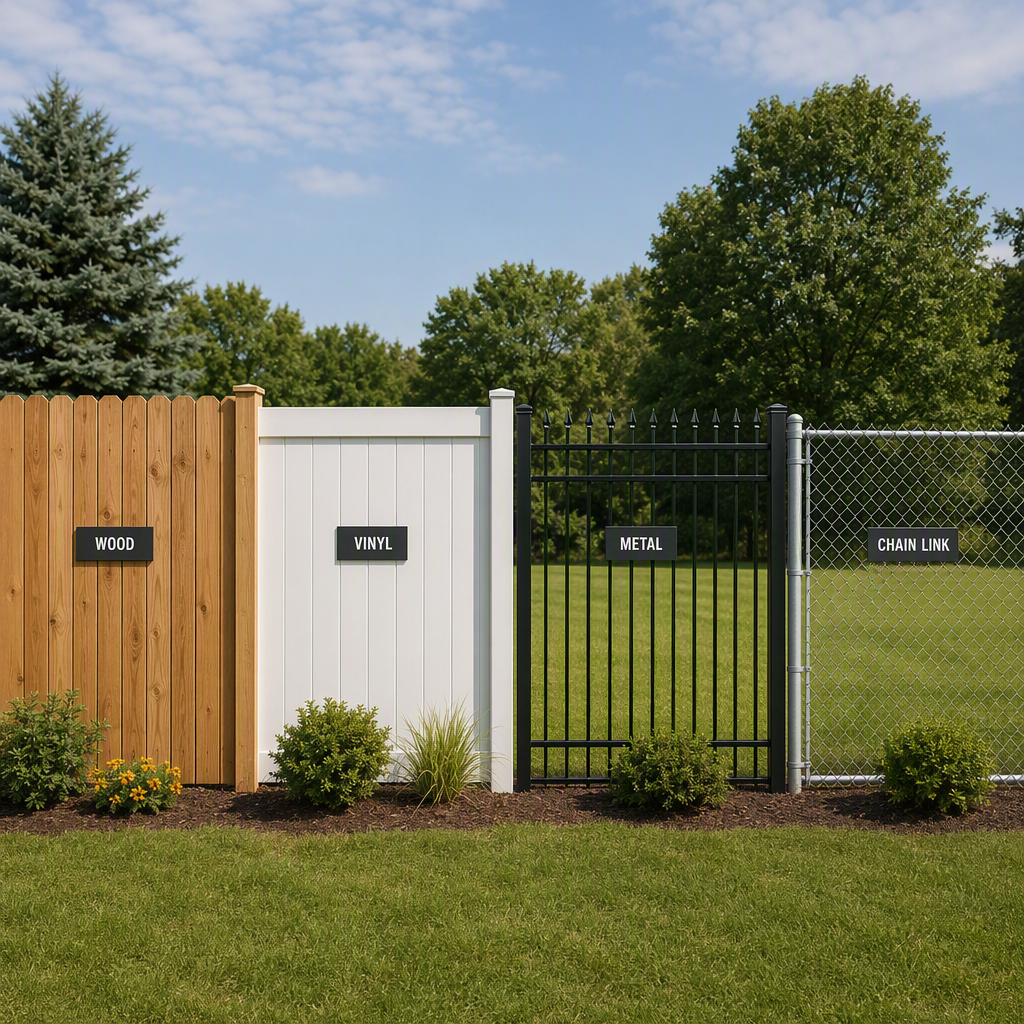
The main types of fences are wood fencing, vinyl fencing, aluminum, chain link, rail or split rail, agricultural fencing, and custom gates. Each fencing material has unique advantages. Wood fence designs are a popular choice for privacy and curb appeal. Vinyl offers a low-maintenance option with the appearance of wood in some styles. Aluminum works well as a decorative fence for security and pool areas.
Chain link is valued for affordability, durability, and clear property marking. Rail fencing suits larger lots and rural settings. Agricultural fencing is built for livestock and field protection. Some homeowners also compare composite fence products because wood fibers and synthetic materials can offer a wood-like look with less upkeep. The right fence depends on your specific needs, local weather, high winds, and the finish you want around your home.
Understanding Fence Materials: What Are Your Options?
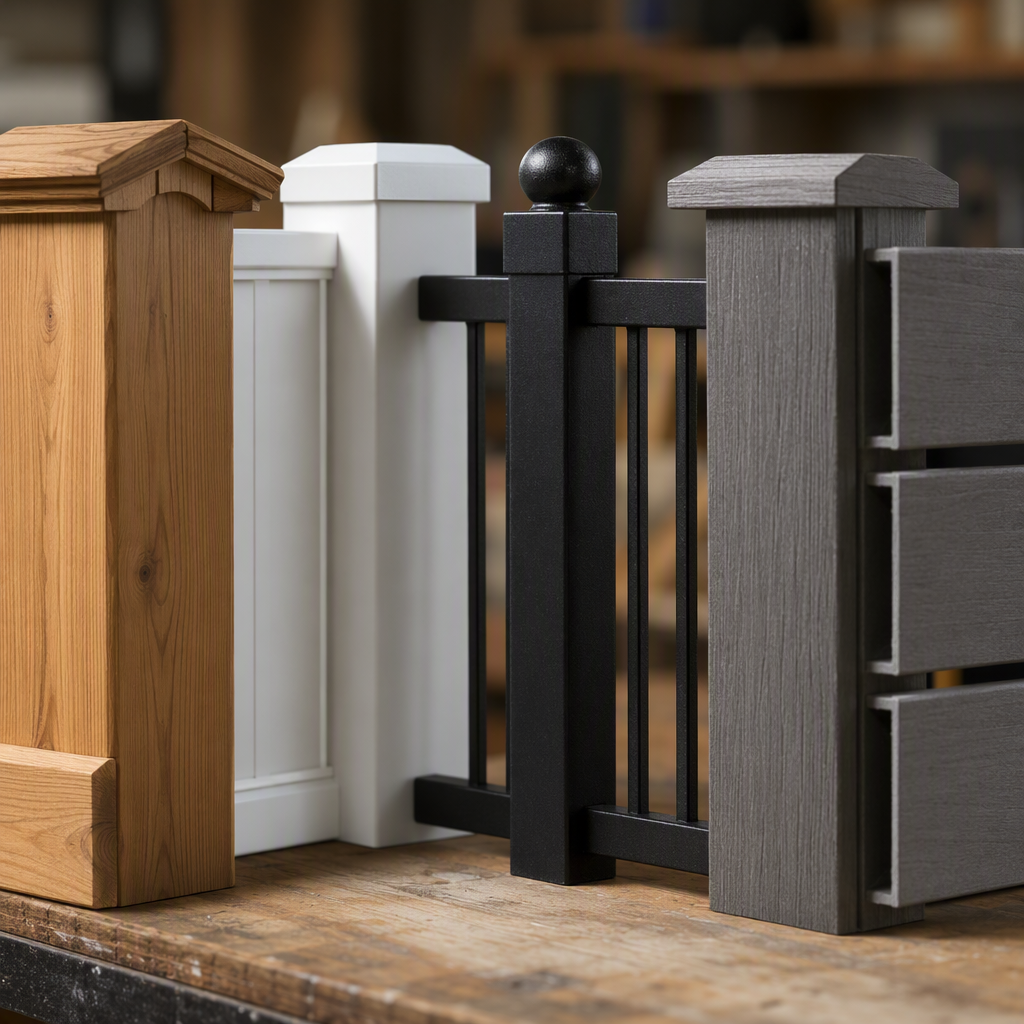
Fence material affects cost, maintenance, lifespan, and overall appearance. Common options include wood fence products, vinyl fence panels, chain link fencing, aluminum fencing, and farm wire systems. Some buyers also look at composite fencing, bamboo fencing, and other synthetic materials when comparing long-term value.
Before you choose, think about your goals. Do you want privacy, security, a natural look, or very low maintenance? Once you understand the strengths of each material, you can make an informed decision that fits your property and budget.
Comparing Wood, Vinyl, Metal, and More
Most residential fences fall into a few major groups. Wood, vinyl, and metal fence systems are the most common, with chain-link fencing and aluminum fence styles leading many practical projects. Each one solves a different problem.
Here is a simple comparison:
Wood fence: classic look, strong privacy, but needs regular care.
Vinyl fence: low maintenance, resists rot and insect damage, but can have a higher upfront cost.
Aluminum fence: ornamental, rust-resistant, and clean-looking, but offers little privacy.
Chain link fencing: budget-friendly and durable, though it has a clear lack of privacy.
Composite fencing: often made with wood fibers and plastic, low maintenance, but quality and fading can vary.
In short, wood, vinyl, and metal fences differ most in appearance, upkeep, and price. Your perfect fit depends on whether you value natural beauty, minimal maintenance, or stronger security.
Pros and Cons of Popular Fence Materials
No single fence material is best for every yard. Some homeowners want low maintenance over many years. Others focus on cost, durability, or style. That is why comparing maintenance needs and lifespan matters before you commit.
Consider these quick pros and cons:
Wood fence: attractive and private, but needs staining or sealing.
Vinyl fence: durable and low maintenance, but repairs can mean replacing full sections.
Metal fencing: strong and long-lasting, but open designs provide less privacy.
Chain link: affordable and practical, but not ideal for visual appeal.
Composite materials: resist weather and insects well but often come with a higher upfront cost.
Cost also varies. Split rail and wire are often lower-priced. Chain link stays affordable. Wood, vinyl, and ornamental metal can rise depending on height, style, and finish. The best choice balances budget with long-term performance.
Wood & Cedar Fences: Classic Styles for Privacy and Curb Appeal
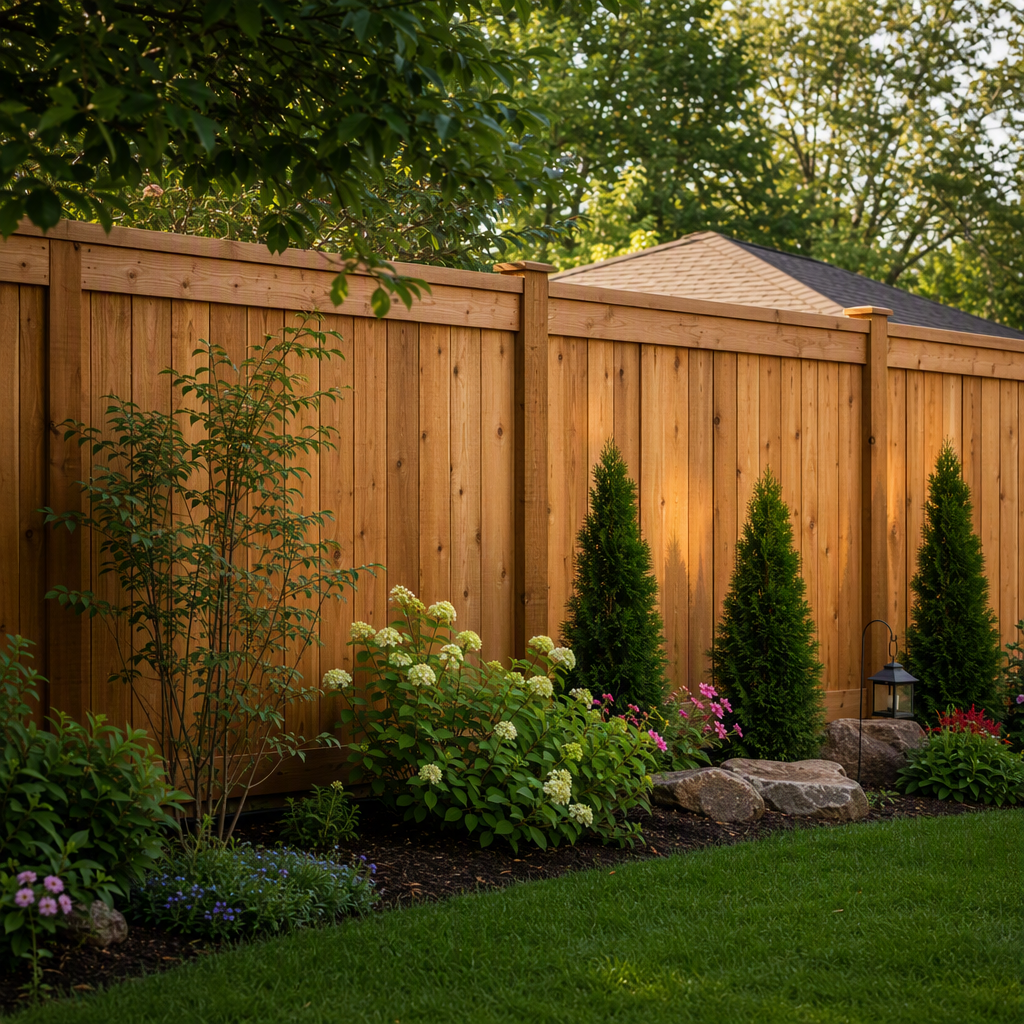
A wood fence remains one of the most popular options for homeowners who want privacy, warmth, and strong curb appeal. Cedar stands out because it offers natural beauty and a richer look than basic traditional wood. It fits many homes, from simple yards to more custom outdoor spaces.
At the same time, wood fencing comes with maintenance needs. Regular staining or sealing helps reduce weather wear and insect damage. The next sections explain how wood performs over time and where it works best.
Key Features, Durability, and Maintenance Tips
Wood fences can be built in stockade, privacy, picket, horizontal, or decorative styles. Cedar is often chosen for its natural look and upgraded finish. A well-built wood fence can deliver good durability, but proper maintenance is what protects that investment.
Keep these points in mind:
Wood offers a natural look that boosts curb appeal.
Cedar and other quality boards usually perform better than basic pine.
Moisture, insects, and temperature changes can shorten lifespan.
Regular staining or sealing helps improve weather resistance.
Proper maintenance reduces cracking, fading, and soft spots.
For homeowners thinking about eco-friendly fence materials, sustainably sourced wood can be a reasonable option. Still, it asks for more attention than vinyl or aluminum. If you want classic style and are fine with upkeep, wood is a strong choice.
Best Uses: Privacy, Security, and Style in the Backyard
When privacy is the goal, wood is often the best fence for privacy. Solid panels can create a complete visual barrier, which makes the backyard feel quieter and more enclosed. Taller designs also add a layer of security around play areas, patios, and side yards.
Wood fencing works especially well for:
Backyard privacy fence projects near neighbors.
Residential fencing where curb appeal matters.
Homes that want both style and practical enclosure.
Custom layouts shaped to specific needs.
Because wood is easy to cut and design, it offers flexibility other materials may not match. Homeowners in Columbus, Ohio, often choose cedar privacy fencing when they want a traditional appearance that still feels tailored to the home and property line.
Vinyl Fences: Modern Style and Minimal Upkeep
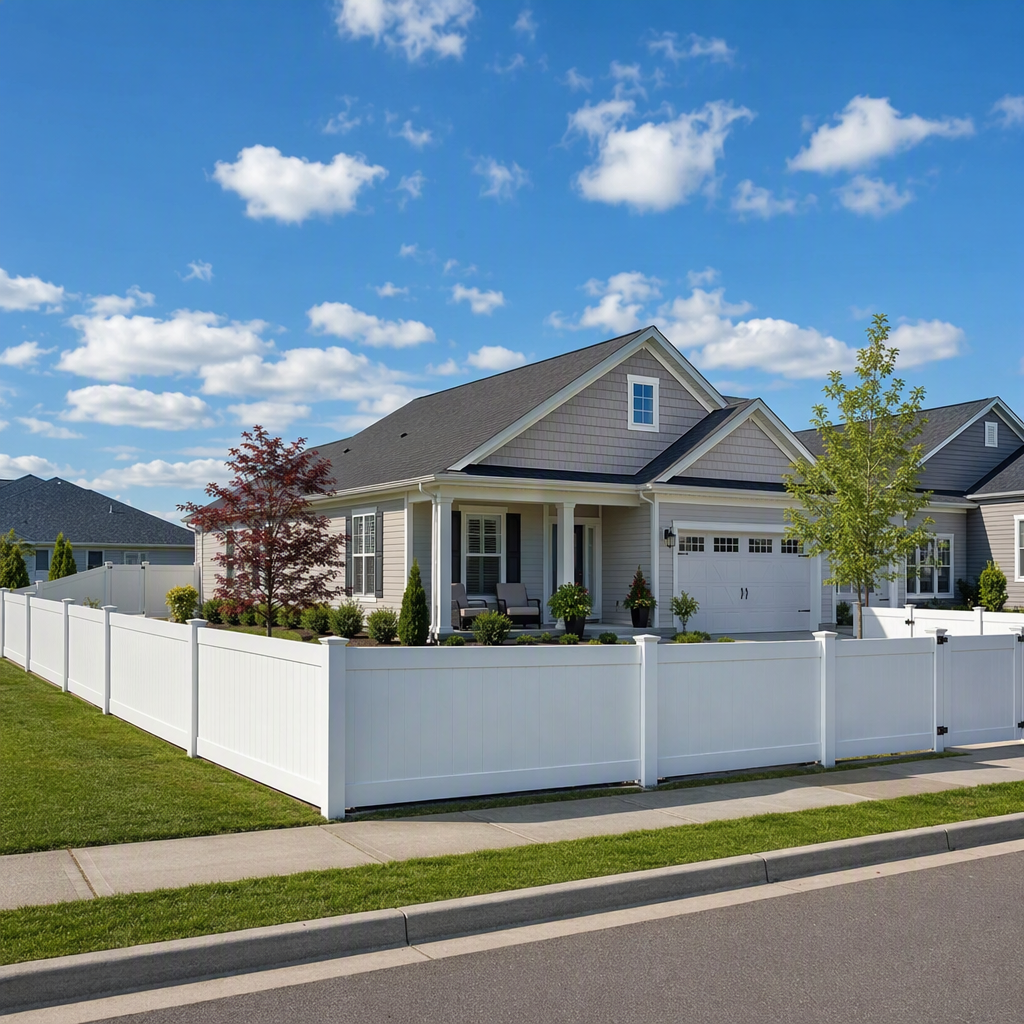
Vinyl fencing is a smart option if you want a modern look with minimal upkeep. It resists rot, does not splinter, and is not vulnerable to insect damage. That makes it a practical fit for busy homeowners who do not want to spend a lot of time on maintenance.
Another reason vinyl stays popular is design flexibility. A vinyl fence comes in a variety of colors and profiles, including privacy and picket styles. Up next, look at how it performs in both appearance and lifespan.
Aesthetic Options and Fence Styles
Vinyl is no longer limited to one plain look. Today, many vinyl fence products are made to fit various architectural styles, from traditional homes to cleaner, modern exteriors. Some even aim for the appearance of wood while keeping the benefits of synthetic materials.
Common design options include:
Full privacy panels for a clean, modern look.
Picket styles for front yards and decorative borders.
Ranch or rail profiles for open landscapes.
Various colors and top accents for added aesthetics.
This makes vinyl a solid answer for homeowners asking whether decorative fence materials can still provide security. In the right style and height, vinyl can offer both. It blends appearance, consistency, and ease of ownership better than many expect.
Maintenance, Lifespan, and Ideal Home Uses
Vinyl fence systems are known for low maintenance. You do not need to stain or seal them, which saves effort over the years. Cleaning is still important, though, because algae, mildew, and surface staining can build up if ignored.
Here are the basics:
Maintenance level: low to minimal maintenance.
Lifespan: often around 20-30 years with routine care.
Durability: resists rot, pests, and many weather issues.
Weak point: hard impacts can crack panels.
Best uses: privacy, family yards, decorative front fencing.
Vinyl also handles various climates well, though UV rays and severe impact can affect appearance over time. For many Ohio homes, it is a strong fit when you want privacy and durability without the maintenance needs of a wood fence.
Aluminum Fencing: Decorative Security for Any Home
Aluminum fence systems are known for ornamental style, open views, and little maintenance. They are often used when homeowners want security and curb appeal without a heavy or bulky structure. Because aluminum does not rust like some other metals, it stays attractive with less work.
This type of decorative fence is especially common around pools, front yards, and driveways. It offers peace of mind while keeping the property looking open and finished. The next two sections break down its strengths and ideal locations.
Benefits, Weaknesses, and Best Locations
Aluminum combines weather resistance with a refined look. It can handle rain well and is valued for low maintenance, but it is not the best choice if you need full privacy. It can also bend more easily than heavier steel under force.
Key points include:
Strong curb appeal with ornamental lines.
Low maintenance and no rust concerns.
Good weather resistance in many settings.
Less suited for places needing a solid barrier.
For harsh weather conditions, aluminum performs well against corrosion, though high winds and impact strength should still be considered during installation. It works best in visible areas where style matters as much as function, including entryways, pool decks, and landscaped front yards.
Security, Pool Safety, and Ornamental Uses
Aluminum is one of the best options when you want a fence that looks elegant but still adds security. Its open picket design helps define the property line and deter entry while keeping sightlines clear. That balance makes it common for pool safety and perimeter protection.
Best uses include:
Pool safety fencing with secure gate access.
Front yard enclosure with decorative fence appeal.
Property line definition without blocking views.
Driveway gates and ornamental entry features.
Homes needing peace of mind with style.
It is not the right answer for homeowners asking what materials are best for privacy fences. Still, for security, appearance, and code-friendly pool layouts, aluminum is a strong performer across many neighborhoods.
Chain Link Fences: Versatile, Affordable Protection
Chain link fencing remains one of the most practical choices for homeowners who want affordable protection. It is widely used for pets, side yards, backyards, and property boundaries because it is durable and straightforward. When budget matters, chain link often rises to the top of the list.
It does not provide much privacy, but it does a very good job of securing space. With galvanization and optional privacy slats, chain link can also be adjusted to meet different maintenance needs and appearance goals.
Features, Cost Range, and Materials
Chain link is made from woven steel wire, usually galvanized to help resist rust. Some versions include vinyl coating or privacy slats to soften the look. It is one of the easiest materials to price because the structure is simple and widely available.
Important details:
Typical cost range: about $15-$30 per linear foot.
Material: galvanized steel, sometimes vinyl-coated.
Maintenance: low maintenance with little ongoing care.
Add-ons: privacy slats, gates, and taller heights.
Environmental impact: metal can be durable over a long service life.
If you are comparing fence materials by cost, chain link is often one of the most affordable options for residential security. It handles wind well and offers reliable boundary control, even if it lacks the style of other systems.
Common Uses: Security, Pets, and Property Boundaries
Many homeowners choose chain link fencing for simple containment. It keeps pets in, marks the property line clearly, and creates a secure perimeter without a major investment. That makes it a strong fit for utility-focused projects.
Chain link is often best for:
Pet enclosures and dog runs.
Side yards and backyard security.
Clear property boundaries.
Areas where low maintenance matters most.
For people asking what materials are best for privacy fences, chain link is usually not the first answer unless privacy slats are added. Still, if your specific needs center on function, cost control, and peace of mind, chain link is hard to beat.
Rail & Split Rail Fencing: Rustic Style for Large and Rural Properties
Split rail and rail fencing are known for their open, rustic style. They are often used on larger lots, rural properties, and homes that want a clear border without closing off the landscape. This type of fence supports curb appeal in a simple, natural way.
Because it is low and open, rail fencing is not made for privacy. Instead, it works best for property line definition, farms, and decorative separation. Next, see how materials, installation, and lifespan affect this classic choice.
Key Materials, Installation Insights, and Longevity
Most split-rail fences are built from wood fence components, though some newer versions use composite boards. The structure is simple: posts and horizontal rails. That can make installation easier than a full privacy fence, especially on broad runs.
What to know:
Pressure-treated wood is common and budget-friendly.
Composite boards can reduce maintenance needs.
Installation is simple, but post spacing still matters.
Longevity depends heavily on material and soil contact.
A basic pressure-treated split rail fence may last around 10 years, based on the compiled information. While it offers minimal maintenance compared with solid wood fencing, its open design means it serves appearance and boundary marking more than security.
Best Uses: Farms, Perimeter Marking, and Decorative Borders
Rail fencing is ideal when you want to outline space instead of close it in. It creates a natural look across rural and suburban land, and it can frame driveways, pastures, and large yards without overwhelming the setting.
Common uses include:
Perimeter marking on wide properties.
Decorative fence borders near drives or gardens.
Farms and rural homes needing open boundaries.
Property line definition with rustic curb appeal.
It is not built to create much privacy, so homeowners wanting a privacy screen should look elsewhere. But for visible frontage, acreage, and landscape-friendly separation, split rail remains a practical and attractive option.
Agricultural & Farm Fencing: Durable Choices for Landowners
Agricultural fence systems are built for function first. Their main job is field protection, livestock control, and clear perimeter management. A farm fence may use wire fence designs, electric fence systems, or board styles depending on the animals and land conditions.
For landowners, durability and peace of mind matter more than decoration. Some projects also use composite materials for certain boards, though wire remains central in many farm layouts. The next sections explain the main styles and where they work best.
Wire, Electric, and Board Styles Explained
Farm fencing varies by use. Wire, woven wire, barbed wire, electric fence lines, and board fence systems each serve different purposes. The right one depends on what you are containing and how visible or strong the barrier must be.
Main options include:
Wire fence: affordable and effective for broad boundaries.
Electric fence: common for livestock control.
Board fence: more visible, often used where appearance matters too.
Composite boards: sometimes used where reduced maintenance is preferred.
Woven styles: useful for enclosing animals securely.
Durability, maintenance needs, and safety all matter here. Wire options are usually economical, while board systems cost more but can be easier to see. If you are comparing the most common materials and their pros and cons, farm fencing is all about matching the barrier to the animal.
Use Cases: Livestock, Horses, and Field Protection
The best agricultural fence is the one that matches the land and what lives on it. Horses, cattle, and general field protection all call for different layouts, heights, and visibility. That is why careful fence installation planning is so important on larger properties.
Typical uses include the following:
Livestock containment across wide acreage.
Horse fencing where visibility is important.
Field protection around crops or grazing land.
Perimeter definition along a long property line.
Farm fence layouts that balance cost and strength.
If you are asking how to choose the best fence material for your backyard or land, start with purpose. A farm fence is not about curb appeal first. It is about control, safety, and dependable perimeter performance.
Custom Fences & Gates: Unique Solutions for Homeowners
Sometimes standard fence panels are not the best fit. A custom fence lets you solve specific needs related to slope, layout, appearance, or access. Custom gate systems can also improve how your property functions every day, from driveway entry to backyard security. For homeowners who want personalized design and better curb appeal, custom work offers more flexibility than off-the-shelf sections.
Red Barn Fence Company stands out here because custom in-house manufacturing allows more tailored results for Columbus, Ohio area properties. That matters when a yard has unusual measurements, HOA rules, or a style goal that standard products cannot meet. A well-planned custom fence or gate can add peace of mind while matching the home’s exterior more closely.
Personalized Design, Specialty Materials, and Gate Systems
Custom projects can use specialty materials, modified heights, and gate systems built around the way you use your yard. Some homeowners want a wood fence with a special top detail. Others need a wider gate, a better fit along a slope, or a mix of materials.
Common custom design options include:
Personalized fence height and panel layouts.
Specialty materials or mixed-material sections.
Gate systems for driveways, pools, and side yards.
Decorative details that still support security.
This is also where decorative fence materials can still provide security. A custom aluminum gate, upgraded cedar privacy panel, or tailored vinyl layout can combine appearance with function. Red Barn Fence Company offers these kinds of solutions with local expertise and a practical design approach.
How to Choose the Best Fence for Your Ohio Home
The right fence starts with your purpose. Do you need privacy, pet control, pool safety, or stronger curb appeal? Once you know your specific needs, it becomes easier to compare materials, upkeep, and style. That leads to a more informed decision.
Ohio weather also matters. Freeze-thaw cycles, rain, and temperature changes can affect fence posts, panels, and long-term durability. Homeowners should also think about proper maintenance, the home's exterior, and local regulations before selecting materials for various climates.
Factoring Climate, HOAs, Purpose, and Local Style
In Central Ohio, climate can shape fence performance. Moisture, freeze-thaw movement, and summer sun all impact materials differently. Wood may need more upkeep. Vinyl and aluminum often appeal to owners who want better weather resistance over time.
Before you choose, review these factors:
Climate and temperature changes in Ohio.
HOA rules and neighborhood style expectations.
Local codes and setback limits.
Your main goal: privacy, pets, pool safety, or decoration.
How the fence fits your home’s exterior and curb appeal.
This matters in places like Gahanna, Ohio, Bexley, Pickerington, and Worthington, where neighborhood standards can vary. Red Barn Fence Company helps homeowners work through local codes and HOA approvals, which removes guesswork and helps avoid delays.
Wood vs Vinyl Fence: Making the Right Decision
The wood vs vinyl fence question comes up often because both work well for privacy and residential yards. The difference is mostly about look, upkeep, and budget timing. Wood has natural beauty. Vinyl offers minimal upkeep.
A simple way to compare:
Choose a wood fence if you want a traditional look and natural beauty.
Choose a vinyl fence if you want low maintenance and easier cleaning.
Expect wood to need regular sealing or staining.
Expect vinyl to carry a higher initial cost in many cases.
If you love the appearance of wood and do not mind maintenance, wood can feel warmer and more custom. If you want a fence that stays neat with less work, vinyl is usually the easier choice for long-term ownership.
Fence Installation in Columbus, Ohio: What to Expect
Fence installation should feel organized, not stressful. A professional team will review the yard, discuss your goals, and recommend materials that fit your budget, maintenance preferences, and property layout. Local expertise matters because local building codes, lot lines, and neighborhood rules can affect the final plan.
For homeowners in Columbus, Ohio, working with an experienced installer also adds peace of mind. Red Barn Fence Company has served the area for over 40 years and understands the specific needs of homes across Gahanna, Ohio, and nearby communities. From planning through proper maintenance guidance, the process is smoother when the installer knows local requirements and common site conditions.
Red Barn Fence Company’s Process and Local Expertise
Hiring a pro is often the smarter move, especially when layout, permits, and material performance all matter. Different systems install differently, and mistakes with posts, grade, or alignment can shorten fence life. Professional service also reduces the chance of problems at the property line.
Red Barn Fence Company offers:
Free detailed estimates.
Help with HOA and permit approvals.
Custom in-house manufacturing for tailored projects.
Local expertise across Columbus-area neighborhoods.
For many homeowners, that support is worth it. DIY may look simple with chain link fencing or wood sections, but accurate installation takes planning. Red Barn Fence Company also works with cedar, vinyl, aluminum, rail, agricultural, commercial, and custom fences and gates, giving homeowners more than one standard answer.
Timelines, Permits, and Community Regulations
Most homeowners want to know how long fence installation will take. In many standard residential projects, installation can often be completed in 1-2 days once planning and approvals are done. The larger challenge is often not labor. It is permits, utility checks, and community rules.
Important items to confirm:
Local regulations on height and placement.
Permit needs in your municipality.
Community rules or HOA standards.
Accurate property line review.
Project timelines based on material and yard conditions.
This is where local experience pays off. Red Barn Fence Company helps homeowners move through approvals in Columbus, Ohio and surrounding areas, which can save time and prevent setbacks. That support is especially useful when neighborhood standards are strict or a layout is more complex.
Frequently Asked Questions
A few quick answers can help you narrow down the right fence faster. These short responses are written for direct, practical use.
Additional common questions:
What are the main types of fences for homes?
Wood and cedar for privacy and classic curb appeal.
Vinyl for low maintenance and clean style.
Aluminum for decorative security and pool areas.
Chain link for affordable protection.
Rail, farm, and custom fences for larger or specialized properties.
Are decorative fence materials still secure? Yes, some are. Aluminum fencing is the best example because it offers ornamental style with a secure perimeter. Custom gates can also improve protection. Decorative fences usually do not provide much privacy, but they can still define access and add peace of mind around yards, pools, and front entries.
How does cost compare between fence materials? In general, split rail and wire are the least expensive; chain link stays budget-friendly; wood and vinyl vary by style; and ornamental metal usually costs more. Custom designs can increase price further. Long-term value depends on maintenance, expected lifespan, and whether repairs are simple or full-panel replacements.
Which fencing material offers the longest lifespan?
Among the options covered here, aluminum fencing, vinyl fencing, and some composite fencing products usually offer the longest service life with lower maintenance needs. Wood fencing can last well too, but it needs more care. Lifespan always depends on installation quality, weather exposure, and ongoing upkeep.
What’s the best fence for privacy in Columbus, Ohio?
A wood fence or vinyl fence is usually the best privacy fence choice in Columbus, Ohio. Both can create a solid barrier along the property line. Wood offers a warmer look, while vinyl needs less upkeep. Composite fencing may also appeal to homeowners wanting a wood-like appearance with reduced maintenance.
Can I install a fence myself, or should I hire a pro?
DIY fence installation is possible for some simple projects, but hiring a pro is often the better choice. Wood fence, chain link fencing, and composite fencing all require careful post placement, layout accuracy, and code awareness. A professional helps avoid mistakes with permits, lines, and long-term performance.
Conclusion
In summary, understanding the different types of fences is crucial for making an informed decision that meets your needs and elevates your property. Whether you opt for the classic beauty of wood, the low-maintenance convenience of vinyl, or the durability of aluminum, each material serves unique purposes and enhances curb appeal. With over 40 years of experience, Red Barn Fence Company stands ready to guide you through the selection process and ensure a seamless installation tailored to your home’s requirements. Serving Columbus, Ohio, and surrounding areas, don’t hesitate—get your free fence estimate from Red Barn Fence Company today!
