
What Is a Fence? Understanding Types and Their Benefits
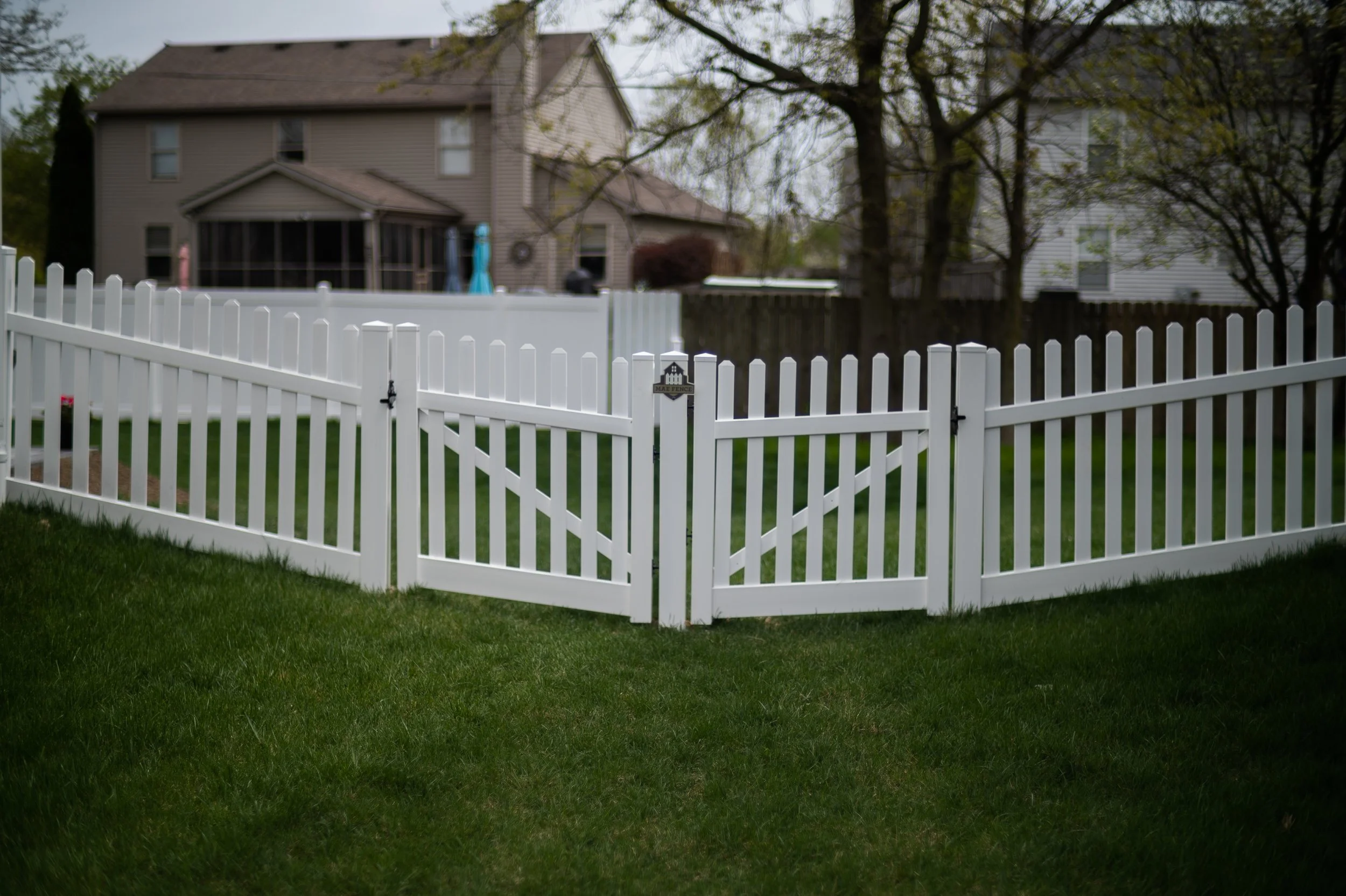
Key Highlights
A fence helps mark property boundaries and supports clear boundary definition around your yard.
Different types of fences serve different needs, from a privacy fence to a practical chain link fence.
Material choice affects cost, care, strength, and how well the fence fits your aesthetic purposes.
Wood, vinyl, metal, chain link, and composite each offer distinct benefits for outdoor space use.
The right fence installation can improve curb appeal, safety, and your home’s daily function.
Budget, climate, and maintenance needs should guide your final decision.
Introduction
A fence is more than a border around your yard. It can shape your outdoor space, add safety, and make your home feel more complete. With so many types of fences available, it helps to understand what each one does best. Some focus on privacy, while others improve style or secure property boundaries. If you are planning a new fence installation, this guide from Red Barn Fence will help you compare options and choose with confidence.
What Is a Fence? Types and Their Unique Benefits
A fence is a structure built along a fence line to mark property lines, add protection, or improve the look of a yard. Its primary purpose can vary. You may want privacy, better security, or simple boundary definition.
Different types of fences give you different benefits. Some create a closed-in feel, while others stay open and decorative. The best choice depends on how you use your space, what you want to protect, and how much upkeep you can handle. Let’s look at the main options.
1. Wood Fences – Classic Appeal and Versatility
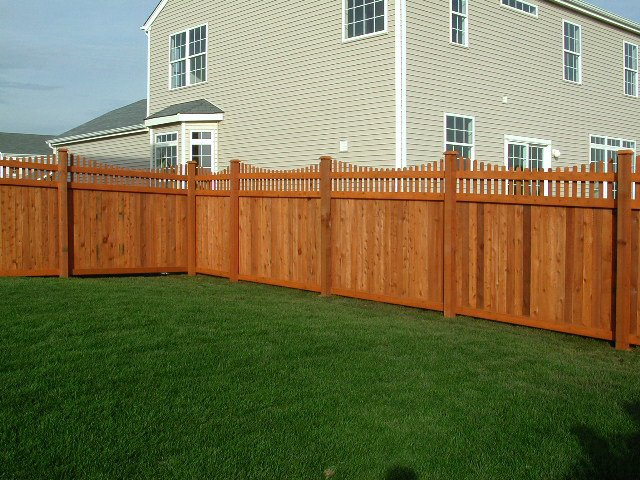
Wooden fences are one of the most common choices for homes and yards. They offer a classic look that works with many house styles, from older homes to newer builds. If you want warmth and character, wood is often a great place to start.
You also get many design choices. Picket fences, privacy styles, split-rail options, and lattice details all come from the same material family. That makes wood useful for both decorative goals and more practical needs. In rural settings and front yards, its rustic style feels natural and welcoming.
There are trade-offs, though. Wood can be more sensitive to weather than vinyl or metal, so regular care matters. Staining or painting helps protect the boards and fence posts over time. If you want custom style and strong visual appeal, wood remains a solid option.
2. Vinyl Fences – Low Maintenance and Modern Look
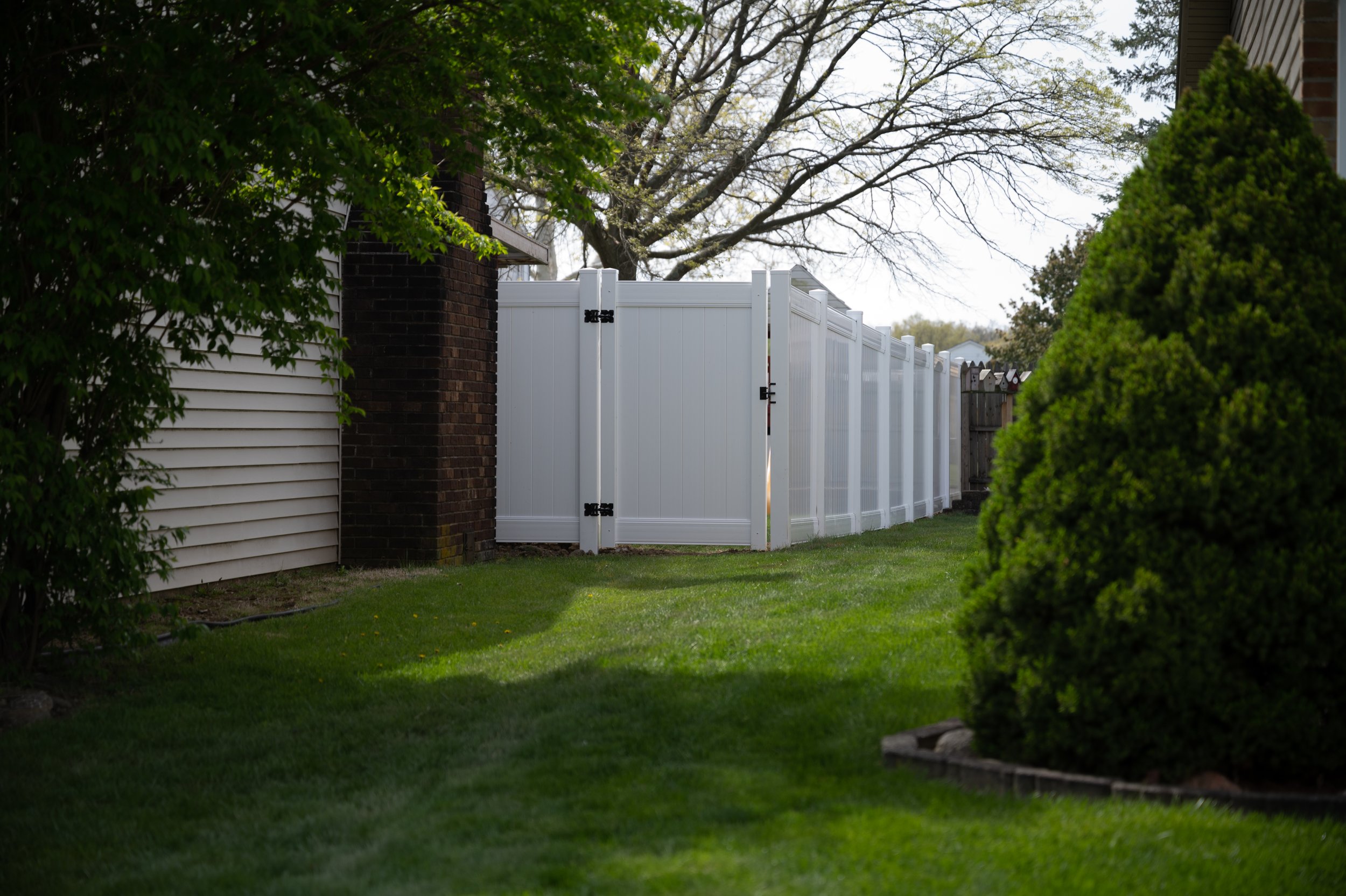
Vinyl fencing is a popular choice for homeowners who want a clean finish without constant upkeep. It can give you a look similar to painted wood, but with much less work. That makes it appealing if low maintenance is high on your list.
Another benefit is flexibility in design. Vinyl fences come in a variety of styles, colors, and heights. Some use solid panels for privacy fencing, while others have more open looks for decorative use. On modern homes, vinyl often feels sharp and simple.
Still, there are a few limits to keep in mind. The upfront cost is often higher than wood, and extreme cold can make some vinyl products more likely to crack. Even so, for many homeowners, vinyl is an excellent choice for easy care and long-term value.
3. Chain-Link Fences – Affordable and Practical Option

If your main goal is function, chain link fencing is a practical solution. It is one of the most affordable options for homes and large yards. Many property owners choose it when they need a secure border without a high price tag.
Chain link fencing is also durable and weather-resistant. That makes it useful in urban areas, side yards, and pet enclosures. It helps reduce unauthorized access and clearly marks property boundaries. For budget-minded families, this type of fence can do the job well.
The biggest drawback is privacy. A chain-link fence does not block views the way solid materials do. Even so, if you care most about cost, simple security, and fast fence installation, it remains a smart and dependable choice for many properties.
4. Metal Fences (Aluminum & Steel) – Strength and Security
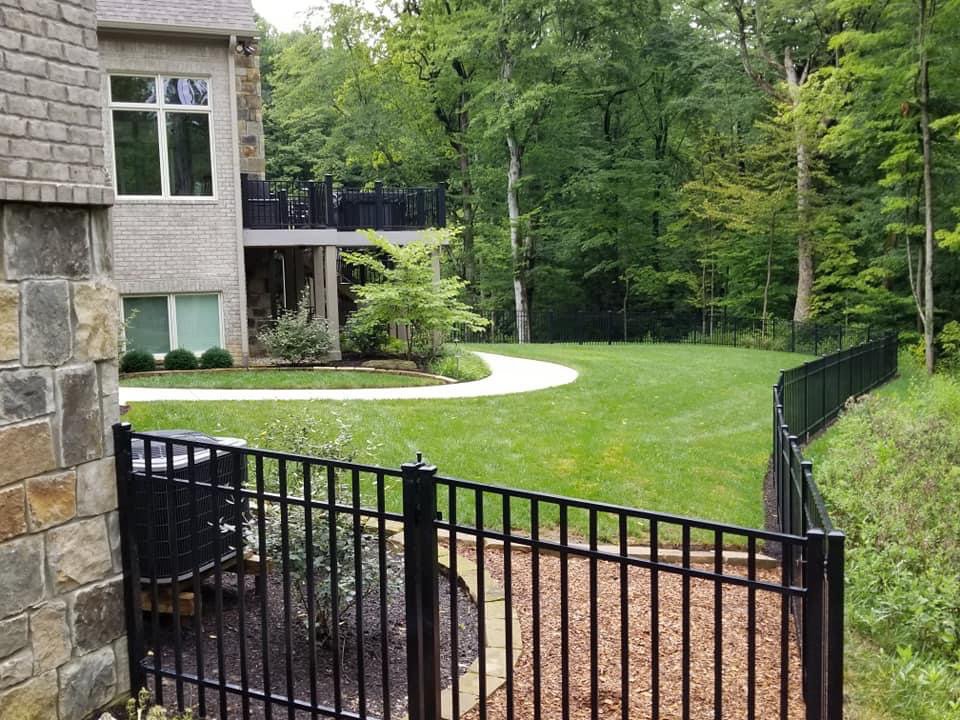
Metal fences are a strong option when security and long life matter most. They are often chosen for homes that need a durable boundary with a more polished appearance. If you want both function and style, metal can be a strong match.
Aluminum fencing is especially popular because it resists rust and corrosion and needs little maintenance. Steel and wrought iron styles offer even more strength, though they may need more care over time. These fences are often used as decorative fencing because they add a neat, elegant outline to a property.
One thing to remember is privacy. Most metal fences are open in design, so they do not block sightlines like wood or vinyl. Still, for decorative curb appeal, strength, and added security, metal fences continue to be one of the most appealing modern options.
5. Composite Fences – Durability with Eco-Friendly Materials
Composite fencing blends wood fibers and plastic into one material. This gives you the look of wood with added durability. For homeowners who want a longer-lasting product, it can be a smart step up from traditional wood.
Another reason people like composite is its eco-friendly appeal. It is often made with reused materials, and it stands up well to rot, pests, and weather. Its surface stays neat with limited care, and the finished result can give a yard a sophisticated look.
The main downside is price. Composite fences usually cost more than wood and may offer fewer color choices. Even so, if low maintenance requirements, durability, and a modern finish matter to you, composite can be a strong fit for your outdoor space.
Conclusion
In summary, understanding the various types of fences and their benefits is essential for making an informed decision about property boundaries, aesthetics, and security. Whether you prefer the classic charm of wood, the modern look of vinyl, or the affordability of chain link, each fence type offers unique advantages that cater to different needs. Moreover, considering factors such as maintenance, durability, and design will help you choose the perfect fence for your home. If you’re ready to take the next step, contact us today for a free consultation to discuss your fencing options and find the best fit for your property!
Frequently Asked Questions
What materials are commonly used for different fence types?
Common fence materials include wood, vinyl, composite, and metal. Wooden fences offer a natural look, vinyl fences are easy to maintain, composite fences blend wood fibers and plastic, metal fences include aluminum and steel, and chain link fencing uses coated or galvanized steel for a practical, budget-friendly result.
How do I choose the right fence type for my property?
Start with your goal. Do you need privacy, security, or style? Then look at property lines, budget, climate, and maintenance requirements. Some fence styles focus on aesthetic purposes, while others are more practical. The right fence is the one that fits your needs, home style, and daily routine.
What is the difference between a privacy fence and a decorative fence?
A privacy fence is built to block views and create a more enclosed yard, often with solid panels. A decorative fence is more open and focuses on visual appeal. Both can mark property boundaries, but a privacy fence gives more seclusion, while a decorative fence highlights style.
What Is a Fence? Types and Their Unique Benefits
A fence is a structure used to create boundary definitions around a yard or lot. Its primary purpose may be privacy, security, pet control, or style. Different types of fences support different goals, and the right one can improve curb appeal while making your outdoor space more useful.
What materials are commonly used for different fence types?
Fence materials usually include wood, vinyl, composite, and metal. Wood gives a natural feel, vinyl offers easier care, and composite adds long-term durability. Metal options include aluminum and steel. Wire fences, such as chain link, are often used when cost, strength, and clear boundaries matter most.
How do I choose the right fence type for my property?
To choose the right fence, think about your goals first. A privacy fence works well for seclusion, while open styles may focus on curb appeal. Check property lines, compare costs, and be honest about maintenance requirements. The best choice fits your home, your budget, and how you use the yard.
What is the difference between a privacy fence and a decorative fence?
The main difference is function. A privacy fence usually uses solid panels to block views and create a more enclosed space. A decorative fence is more open and made for visual appeal. Both can help mark property boundaries, but they serve very different day-to-day needs.
What is a fence and what is its main purpose?
A fence is a structure placed around land to create boundary definition and organize outdoor space. Its primary purpose may be privacy, safety, pet control, or simple marking of property boundaries. It can also improve curb appeal by giving your home a more finished and intentional appearance.
What are the common types of fences used for homes and yards?
Common residential options include wooden fences, vinyl fences, chain-link, metal, and composite. Wooden fences are versatile, vinyl is easy to maintain, chain link is cost-effective, and composite is durable. Metal styles are often used for decorative fencing when homeowners want security with a more polished edge.
What are the most popular fence styles and designs right now?
Popular fence styles include simple picket fences, privacy designs with solid panels, and open metal layouts used as decorative fences. Modern homes often pair well with vinyl, aluminum, or composite. Since homeowners have a wide variety of styles to choose from, matching function and appearance is easier.
How can I choose the right type of fence for my property?
Think about why you want the fence first. Then compare budget, maintenance requirements, climate, and local rules. You should also check property lines and consider how the fence affects curb appeal. The right fence will support your outdoor space without creating more upkeep than you want.
What materials are fences typically made from?
Fences are typically made from wood, vinyl, metal, and composite fencing materials. Chain link is a common form of wire fence and is valued for cost and durability. Each material has its own strengths, so your choice should depend on appearance, care needs, and intended use.
What are the common types of fences used for homes and yards?
For homes and yards, common choices include privacy fencing, wooden fences, vinyl fencing, metal options, and chain-link fences. A split rail fence is also used in larger or more open settings. Each style serves a different purpose, from full screening to simple boundary marking.
