
Fence Repair and Maintenance Guide for Columbus Homeowners
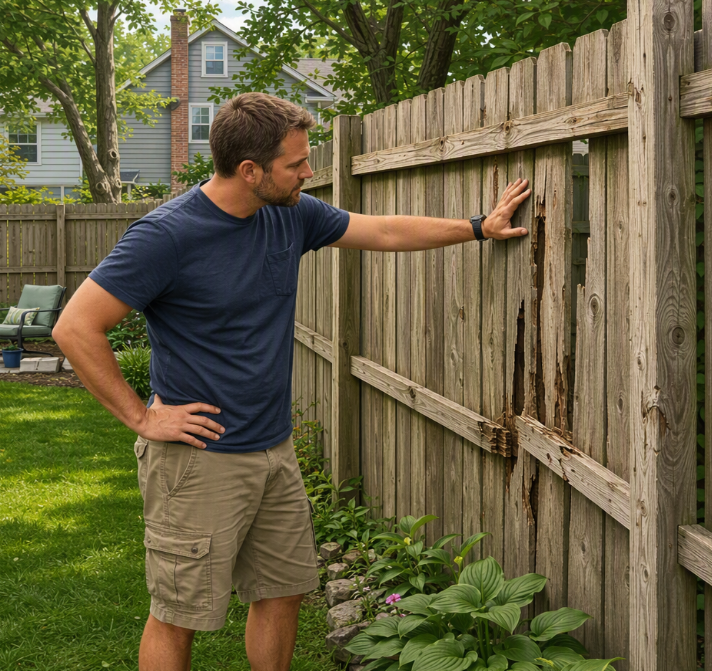
Key Highlights
Columbus homeowners can avoid costly repairs with regular maintenance and fast fence repair after small issues appear.
Ohio weather, shifting soil conditions, and storm damage often shorten the life of your fence.
Chain link, wood fencing, and vinyl fencing each need a different care routine.
Simple inspections help protect structural integrity, safety, and curb appeal.
DIY repairs work for minor damage, but unstable posts and larger sections often need a fence contractor.
Red Barn Fence offers local service support, free estimates, and long-term care guidance.
Introduction
If you own a fence in Columbus, Ohio, routine care matters just as much as fence installation. Weather, moisture, and soil movement can turn small issues into expensive ones if you wait too long. For most homes, fence maintenance in Columbus, Ohio, should happen at least twice a year, with extra checks after winter and storms. This guide explains what to watch for, what you can handle yourself, and when professional fence repair in Columbus service is the smarter move.
Understanding Fence Repair and Maintenance in Columbus, Ohio
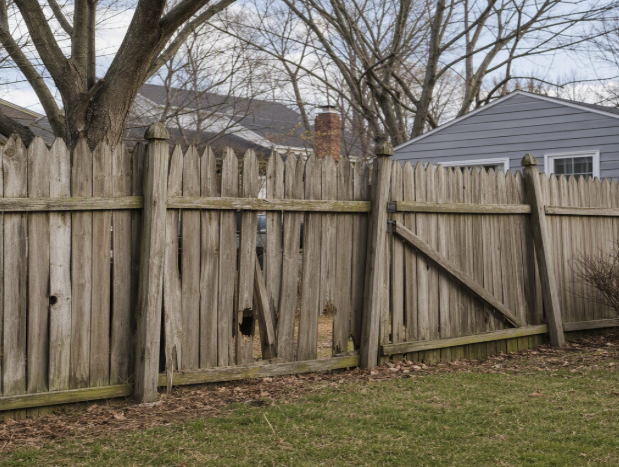
Fence repair in Columbus, Ohio, is often about catching damage early. Regular maintenance helps protect structural integrity before loose parts, leaning sections, or moisture damage spread across the fence line. That matters for appearance, but it also matters for safety.
Local soil conditions play a big role. Freeze-thaw cycles, wet ground, and shifting earth can affect posts and panels over time. In the next sections, you will see the most common problems and why Ohio weather creates them.
Common Fence Problems Faced by Columbus Homeowners
Most fence repair calls start with visible movement or surface damage. A leaning fence, sagging gate, or damaged panel usually means something underneath has changed. In Central Ohio, moisture and storms often speed that process up.
You may notice problems first along one section of the fence line, especially where water collects or wind hits hardest. Wood fencing can also suffer from insect infestation or soft spots if regular care has been delayed.
Common issues include:
A leaning fence caused by unstable fence posts
Storm damage from high wind load or debris
Moisture damage near the base of panels or posts
Loose hardware on gates, rails, or panels
Insect infestation in older wood privacy fence sections
How Ohio Weather and Soil Impact Fence Longevity
Columbus fences deal with changing weather conditions all year. Winter can freeze the ground, then thaw it, which shifts posts and weakens alignment. Frost heave is a common cause of movement around fence posts.
Then spring rains and summer humidity add more pressure. Wet soil conditions can trap moisture around wood and metal components. Over time, that leads to moisture damage, rust spots, or unstable footings.
To reduce winter wear, inspect your fence before cold weather, clear debris from the base, and watch for ice accumulation after storms. It also helps to keep proper drainage around the fence line. These simple habits lower stress from wind load, water, and ground movement.
What You Need for DIY Fence Repair and Maintenance
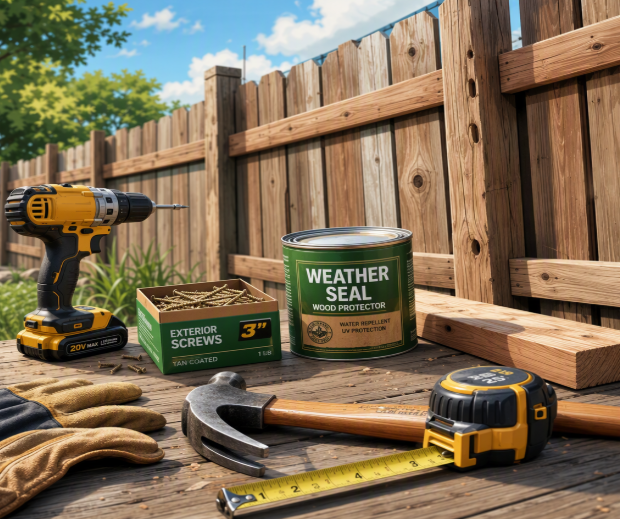
DIY repairs can work well when damage is minor and easy to reach. If you are dealing with loose hardware, light cleaning, or a single damaged piece, proper care and the right setup can save time. The goal is to handle small issues before they turn into major problems.
Different fence materials also change the job. Vinyl fences and chain link fencing usually need less upkeep than wood fencing, but every fence benefits from essential tools and safety gear. Start simple and know your limits.
Essential Tools and Equipment for Home Fence Repairs
You do not need a large workshop for basic fence repair. Most homeowners can handle proper maintenance with a few common items and a careful inspection routine. The right tools help you move faster and avoid making small issues worse.
For cleaning, a garden hose and mild soap solution are often enough. For tightening or part swaps, simple hand tools are useful. Keep your setup focused on safe, light-duty work.
Helpful essential tools include:
Screwdrivers or a drill for loose hardware
Pliers for chain link adjustments
A garden hose for rinsing dirt and debris
A soft brush for cleaning stained sections
Work gloves for safer handling during proper maintenance
If the fence is leaning, posts are moving, or several sections are damaged, it is usually time to call a professional.
Recommended Materials and Safety Gear
Material choice affects long-term upkeep. Vinyl fences and aluminum fencing are often seen as low maintenance because they do not rot like wood. Chain link fencing is also durable, though it still needs checks for rust spots, bent links, and gate function.
Even for simple work, safety matters. Gloves and eye protection help when you are cleaning, scraping, or handling damaged parts. Proper care starts with protecting yourself first.
Recommended materials and safety gear include:
Mild soap solution for safe cleaning
Rust-resistant touch-up products for metal areas
Work gloves and eye protection
Replacement hardware matched to your fence materials
Use products made for the fence type you own. That helps you avoid surface damage and keeps repairs looking consistent.
Step-by-Step Guide to Basic Fence Repair for Beginners
A simple repair process starts with good information. Before you touch a panel, gate, or post, use regular inspections to understand what failed and whether the fence’s strength is still sound. That first review helps you avoid wasting time on the wrong fix.
Beginners should focus on visible, limited damage. If you find widespread movement, deep rot, or several broken sections, a full replacement may make more sense. These five steps show how to handle a basic repair safely and in order.
Step 1: Inspect Your Fence for Damage
Start by walking the full fence line and looking closely at every section. Regular inspections help you spot signs of wear before they affect safety or appearance. This is also one of the easiest ways to improve curb appeal over time.
Look at posts, rails, panels, and gates from both sides if possible. Focus on movement, gaps, and surface breakdown. Small changes often point to bigger trouble underneath.
Check for:
Loose hardware at hinges, latches, or brackets
Leaning or shifting posts
Cracks, rot, rust spots, or bent links
Major problems such as multiple weak sections
Take notes before you begin work. A short list helps you decide whether a quick repair is enough or if you should plan for professional help.
Step 2: Clean and Prepare the Work Area
Before fixing anything, clear the area so you can see the damage clearly. Dirt, leaves, and plant growth can hide weak points and trap moisture. Cleaning also helps your fence look better right away, which supports curb appeal.
Use a garden hose for loose dirt and a mild soap solution for grime or stains. Do not rush this step. A clean surface makes repairs easier and helps you notice hidden wear.
Basic prep should include:
Rinsing panels, rails, or chain link with a garden hose
Scrubbing dirty areas with a mild soap solution
Clearing debris to support proper drainage
Keep grass, vines, and mulch from pressing against the fence. That simple routine can keep many fences looking newer for longer.
Step 3: Repair or Replace Damaged Fence Parts
Now move into the actual repair process. If one board, rail, link, or latch is damaged, you can often replace that part without disturbing the rest of the fence. This works best when the surrounding structure is still firm.
Match the replacement part to the existing style and size. That keeps the fence looking even and helps the repaired section perform like the original. If damage spreads across several panels, you may be closer to full replacement than a simple patch.
Common fixes include:
Replacing damaged fence parts one section at a time
Swapping bent or broken chain link sections
Installing new hardware where old fasteners failed
Choosing a new fence section only when nearby parts remain unstable
If repeated repairs keep appearing in the same area, ask whether replacement is the better long-term answer.
Step 4: Secure Posts and Panels Properly
Posts carry the load for the whole fence. If fence posts are loose, every panel attached to them will struggle to stay straight. This is why structural integrity matters more than surface appearance during repairs.
After replacing or tightening parts, check that posts, rails, and panels sit square and feel stable. Proper care at this stage helps prevent repeat issues, especially on taller sections where fence height increases stress from wind and soil movement.
Step 5: Test and Finish Your Fence Repair
Once the repair is complete, test every part you touched. Open and close gates, press lightly on panels, and look at the fence from a distance. You want smooth operation, steady alignment, and a clean finish.
Then do a final walkthrough of the full fence line. This helps you catch missed hardware, leftover debris, or uneven areas before the job is done. The good news is that even a basic cleanup can improve curb appeal quickly.
Finish with these checks:
Make sure gates latch and swing with smooth operation
Remove tools, scraps, and dirt after the final walkthrough
Confirm the repaired section matches nearby areas in look and height
Good maintenance should leave your fence safer, cleaner, and easier to manage moving forward.
Maintenance Tips for Different Fence Types in Columbus
Not every fence ages the same way. Regular care should match the material, local weather, and how much daily use the fence gets. A wood privacy fence needs a different routine than a chain-link fence or vinyl fences around a backyard.
That is why fence maintenance works best when it is specific. Even companies that handle commercial fencing services follow material-based care plans. The next two sections cover the most useful habits for common residential fence types in Columbus.
Wood Fence Maintenance and Repair Best Practices
Wood fencing offers natural beauty, but it needs more attention than other materials. Moisture damage, shifting boards, and insect infestation are common trouble spots if maintenance slips. In Columbus, wet periods and winter movement can speed up wear.
A wood privacy fence benefits from regular inspections, cleaning, and surface protection. The compiled guidance shows that wood fences should be cleaned and checked often, with regular sealing or stain applied every two to three years when needed.
Best practices include:
Watch for soft wood, cracks, and signs of insect infestation
Keep debris and wet leaves away from the base
Repair loose boards and hardware quickly
Plan for regular sealing to limit moisture damage
Before winter, clear buildup and fix weak areas early. That reduces water entry and helps the fence handle cold-weather stress better.
Vinyl, Aluminum & Chain Link Fence Care Essentials
If you want low-maintenance options, vinyl fencing, aluminum fencing, and chain link are strong choices. They still need regular care, but usually less than wood. In Columbus weather, that can make a big difference for busy homeowners.
For chain link fence maintenance, the basics are clear: rinse dirt away, inspect for bent links, tighten hardware, lubricate gates, and treat rust spots quickly. Vinyl and aluminum also benefit from mild cleaning and checks for cracks, scratches, or loose posts.
Focus on these essentials:
Clean surfaces with soap and water as needed
Inspect gates for alignment and smooth movement
Trim vegetation to reduce trapped moisture
Treat rust spots early on chain link
Tighten hardware on vinyl fencing and aluminum fencing sections
These routines help preserve security, appearance, and function with less effort year-round.
Conclusion
In summary, maintaining and repairing your fence is essential for preserving its functionality and appearance, especially in Columbus's unique climate. Regular inspections and timely repairs can extend the life of your fence while ensuring it continues to enhance your property’s value. Whether you choose to tackle repair projects yourself or opt for professional assistance, understanding the specific needs of your fence type will help you make informed decisions. For those looking for expert help, Red Barn Fence offers dedicated services backed by 40 years of experience serving Central Ohio homeowners. Don't hesitate to reach out for a free estimate and the peace of mind that comes from working with a licensed and insured local company. Visit redbarnfence.com today!
Frequently Asked Questions
How often should I maintain my fence in Columbus?
Most fences in Central Ohio should get regular inspections at least twice a year, plus extra checks after strong storms or winter weather. Regular care along the full fence line matters because soil conditions, moisture, and seasonal movement can create hidden damage between visits.
Can fence posts be repaired without replacing the whole fence?
Sometimes, yes. If the damage is limited and the surrounding structure is still solid, repairing fence posts can correct a leaning fence without replacing everything. If post-movement has already caused major problems with structural integrity, broader repair or replacement may be the safer choice.
Are there local rules or permits needed for fence repair in Columbus?
Permit needs can depend on the scope of work, fence height, and where the property is located in Franklin County or Delaware County. If you are unsure, ask a qualified fence contractor. Red Barn Fence also helps homeowners with HOA compliance and the permit process when needed.
What does professional fence repair cost in Columbus, Ohio?
Fence repair costs in Columbus depend on the material, extent of damage, access, and your specific needs. A small repair costs less than a larger structural fix or full fence installation. The best next step is to request a free estimate so the work can be priced accurately.
