
Cedar vs Vinyl Fence: Choose for Your Columbus Home Today
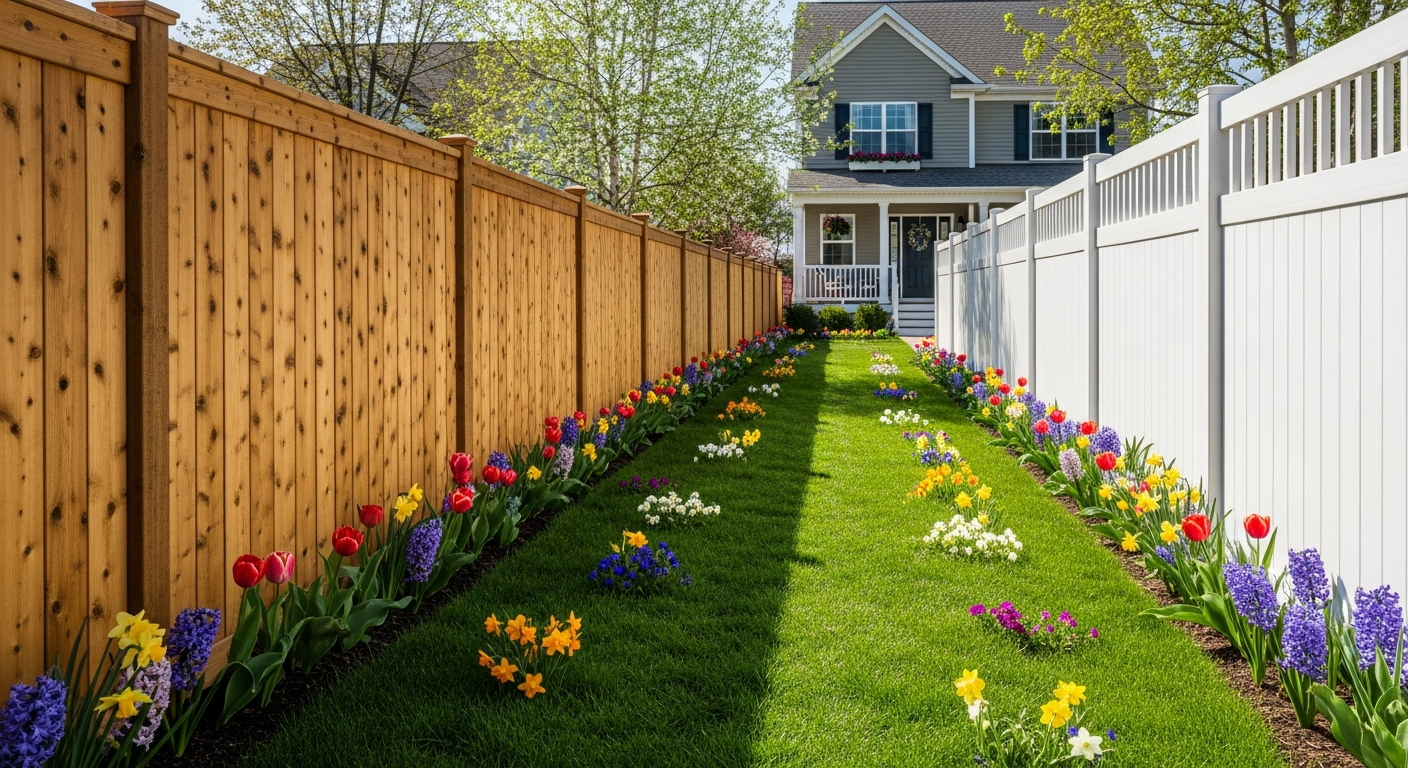
Key Highlights
Durability: Vinyl fencing generally outlasts cedar, offering a 25-30 year lifespan, while a cedar fence typically lasts 15-20 years in Ohio's climate.
Maintenance: A cedar fence requires regular staining and sealing, whereas vinyl fencing offers a low-maintenance solution, needing only occasional cleaning.
Cost Factors: Cedar has a lower upfront cost, but vinyl provides better long-term value by eliminating significant maintenance expenses.
Aesthetics: Cedar offers natural wood beauty and high customization, while vinyl provides a consistent, modern look with various color options.
Privacy Fences: Both materials are excellent for privacy fences, but vinyl's solid panels won't develop gaps like wood can over time.
Installation: A professional fence installation is key for both types to ensure longevity and performance, especially with Columbus's weather challenges.
Introduction
Choosing the right fence for your Columbus home is a big decision. You're not just adding a boundary; you're enhancing your home's security, curb appeal, and overall value. The two most popular choices, cedar and vinyl, each come with their own set of benefits. Are you leaning toward the classic charm of a wood fence or the modern convenience of a vinyl fence? This guide will break down the cedar vs. vinyl fence debate, helping you make the best choice for your property's fence installation.
Understanding Cedar vs Vinyl Fence Options in Columbus, Ohio
When exploring fencing for your home, you'll quickly find that cedar and vinyl are top contenders. Each fence material brings distinct characteristics to the table, making one a better fit for certain homeowners than the other. A wood fence like cedar is a popular choice for its timeless, natural look.
On the other hand, vinyl fencing is engineered for durability and ease of care. Understanding what makes each material unique is the first step in deciding which one is the perfect match for your Columbus yard. Let's look closer at what sets cedar and vinyl apart.
What Makes Cedar Fencing Unique for Columbus Homes
A cedar fence is beloved for its authentic, natural wood beauty. The rich tones and unique grain patterns of each board bring a classic, warm feel to any property, complementing a wide range of architectural styles found throughout Columbus. This traditional appeal is a primary reason homeowners continue to choose this wood fence over other fencing materials.
What sets cedar apart from other woods is its natural resistance to decay and insects. Cedar contains inherent oils and tannins that act as a built-in defense mechanism. This means your cedar fence can stand up to Ohio's damp seasons without the need for harsh chemical treatments, making it a more natural choice.
This natural durability, combined with its stunning appearance, makes cedar a premium option. While it requires maintenance to preserve its color and integrity, many homeowners feel the aesthetic rewards are well worth the effort. The ability to stain or paint it also allows for easy customization down the road.
Key Characteristics of Vinyl Fencing for Central Ohio Yards
Vinyl fencing represents a modern approach to residential boundaries, designed for homeowners who prioritize durability and minimal upkeep. Made from a synthetic plastic material called polyvinyl chloride (PVC), a vinyl fence is engineered to withstand the elements without the common issues that affect wood.
The key appeal of vinyl is its incredibly low maintenance. Unlike wood, it will never rot, warp, or fall victim to insects. This makes it a fantastic "set it and forget it" option for busy Columbus homeowners. Its non-porous surface resists moisture, which is a huge advantage during Ohio’s humid summers and wet springs.
High-quality vinyl fencing also includes special additives to enhance its performance. These include:
Titanium Dioxide: Provides crucial UV resistance to prevent fading and yellowing from sun exposure.
Impact Modifiers: Help the vinyl fence maintain its structural integrity and resist cracking from accidental impacts or harsh weather.
Comparing Material Durability in Ohio’s Weather
Ohio’s weather can be tough on any outdoor structure. From hot, humid summers and heavy rains to freezing winters with snow and ice, your fence needs to be resilient. The material durability of your fence is crucial for determining how long it will last and how good it will look in a few years.
Both cedar and vinyl are strong contenders, but they react to Columbus's weather conditions differently. A vinyl fence is manufactured to be impervious to moisture, while a wood fence like cedar relies on natural oils for protection. Let's examine how each material holds up season after season.
Cedar’s Lifespan and Performance in Columbus Climates
A well-maintained cedar fence can have a lifespan of 15 to 20 years, even with Ohio's challenging weather conditions. Its natural resistance to moisture and insect damage gives it a significant advantage over other types of wood fences, like pine. This inherent durability helps it maintain its structural integrity through wet springs and humid summers.
However, cedar is not invincible. Constant exposure to moisture without proper sealing can eventually lead to rot, especially at the base of the posts where they contact the ground. The freeze-thaw cycles of a Columbus winter can also cause the wood to expand and contract, potentially leading to warping or splitting over time if the fence isn't properly maintained.
To maximize its lifespan, a cedar fence needs protection. Regular staining or sealing is essential to shield the wood from UV rays, which can cause the color to fade to a silvery gray, and to repel water that can compromise its strength. With proper care, your cedar fence will remain a beautiful and sturdy fixture for years.
How Vinyl Fences Withstand Ohio’s Seasonal Changes
Vinyl fencing is engineered specifically to handle diverse weather, making it an excellent choice for Ohio's four distinct seasons. Its non-porous surface means it won't absorb moisture, so rot, mold, and mildew are never a concern, even during the rainiest months. This makes it far more resistant to moisture than any wood fence.
When it comes to temperature changes, quality vinyl fence panels are designed to perform well. During extreme heat, they may expand slightly, and in cold weather, they can contract. However, a proper installation by a professional fence company like Red Barn Fence Company accounts for this thermal movement, ensuring the fence remains secure. While extreme cold can make vinyl more brittle, modern formulations include impact modifiers to resist cracking.
High-quality vinyl contains UV inhibitors to protect against sun damage. This prevents the material from becoming chalky or faded after years of UV exposure. With a typical lifespan of 25 to 30 years, vinyl is a truly long-lasting option.
Maintenance Needs: Cedar Fence vs Vinyl Fence in Columbus
Your willingness to perform regular upkeep is a major factor in the cedar vs. vinyl debate. The maintenance requirements for these two materials are vastly different and will impact your time and budget for years after the initial fence installation.
A wood fence, even one as durable as cedar, requires ongoing attention to preserve its beauty and structural integrity. In contrast, a vinyl fence is designed for a low-maintenance lifestyle. Understanding these differences will help you choose a fence that fits not just your yard, but also your life.
Ongoing Care for Cedar Fence Installation Columbus Ohio
To keep a cedar fence looking its best and protect it from the Columbus elements, regular maintenance is a must. This ongoing care preserves the wood’s natural beauty and ensures it reaches its maximum lifespan. Without it, the wood can fade, splinter, or become vulnerable to moisture and insect damage.
The most important task is staining or sealing the fence every two to four years. This protective layer shields the cedar from damaging UV rays and prevents water from soaking into the wood, which helps replenish the natural oils that protect it. This is the single best thing you can do to prolong its life.
Beyond sealing, here are a few other routine tasks:
Annual Cleaning: Gently wash the fence with a garden hose or a mild detergent to remove dirt, pollen, and mildew. Avoid high-pressure washers, as they can damage the wood fibers.
Inspections: Periodically check for loose boards, protruding nails, or signs of wear and tear, especially after harsh weather.
Low-Maintenance Advantages of Vinyl Fence Installation Columbus, Ohio
If you’re looking for a fence that requires minimal maintenance, a vinyl fence is the undisputed winner. For Columbus homeowners with busy schedules, this is often the deciding factor. Once installed, a vinyl fence frees you from the cycle of staining, painting, and sealing.
The non-porous surface of vinyl panels doesn't just resist moisture; it also resists dirt and stains. Most of the time, a simple spray with a garden hose is enough to wash away dust and pollen. For more stubborn grime, a little soap and water will do the trick. A pressure washer can be used on a low setting, but it's often not necessary.
Here’s what upkeep for a vinyl fence typically looks like:
Periodic Cleaning: An annual wash is usually all that’s needed to keep it looking new.
No Painting or Staining: The color is integrated throughout the material, so it will never chip, peel, or require a new coat.
Durability: You won't have to worry about replacing boards due to rot or insect damage.
Cost Factors: Cedar and Vinyl Fence Installation in Columbus
When budgeting for a new fence, it’s important to look at both the initial price tag and the long-term expenses. The upfront cost for cedar and vinyl can be quite different, and the wood fence cost is often lower at the outset. However, installation costs are just one part of the financial picture.
The true cost of a fence emerges over its entire lifespan. The vinyl fence cost might be higher initially, but its lack of maintenance expenses can make it more affordable in the long run. Let’s compare the upfront costs and long-term value for residential fencing in Columbus.
Upfront Costs for Residential Fencing Columbus Ohio
The upfront cost of a fence is determined by the price of materials and the labor costs for installation. Generally, cedar fencing has a lower initial investment than vinyl. The price per linear foot for materials and professional installation can vary based on the style, height, and complexity of the project.
A cedar fence installation in Columbus typically costs less than a vinyl one for the same dimensions. This is because the raw material for wood fence panels is often less expensive to produce than the engineered PVC used for vinyl. However, labor costs can be comparable, as both require skilled installers to ensure a sturdy and level fence.
Here’s a general breakdown of the initial costs you can expect. Remember, these are estimates, and a quote from a professional fence company will give you a precise figure.
Long-Term Value & Savings Comparison
To understand the true value of your fence, you have to think beyond the initial investment. In the long run, a fence that requires frequent and costly maintenance can end up being more expensive than one with a higher upfront price. This is where vinyl truly shines.
The primary long-term expense for a cedar fence is maintenance. Staining and sealing every few years can cost hundreds or even thousands of dollars over the life of the fence, depending on whether you do it yourself or hire a professional. You may also need to budget for replacing warped boards or posts.
When you compare the total cost of ownership over 20 years, vinyl often comes out ahead.
Cedar Fence: Initial cost + repeated maintenance costs (staining, repairs).
Vinyl Fence: Higher initial cost + minimal cleaning costs.
Conclusion: The savings on maintenance costs for a vinyl fence can easily surpass the difference in the initial investment, making it the more economical fence material over its lifespan.
Style and Curb Appeal for Your Home
Your fence is one of the first things people see when they look at your home, so its style has a huge impact on your property's curb appeal. Both cedar and vinyl fences can be beautiful additions, but they offer different aesthetics. The right choice depends on your personal taste and your home’s architectural style.
Whether you prefer the timeless, natural look of wood or the clean, uniform lines of a vinyl fence, there are plenty of options to meet your aesthetic goals. The design flexibility of each material allows you to create a look that is uniquely yours. Let's explore the style possibilities for each fence type.
Customizing Cedar Fence Styles for Unique Properties
Cedar offers unparalleled design flexibility, making it the top choice for homeowners who want a truly custom fence. Its natural beauty and workability allow for a level of personalization that is difficult to achieve with other fencing materials. The unique wood grain of each board ensures that no two cedar fences are exactly alike.
You can tailor a cedar fence to perfectly match your vision. Because wood can be easily cut and shaped on-site, you are not limited to pre-made designs. This allows for creative solutions for properties with slopes, unusual angles, or specific aesthetic requirements.
Some popular ways to create custom styles with a cedar fence include:
Stains and Paints: Choose from an endless spectrum of colors to match your home's exterior or change the look completely every few years.
Decorative Tops: Add lattice work, post caps, or scalloped tops for a distinctive finishing touch.
Board Configuration: Create unique patterns like shadowbox, board-on-board, or horizontal layouts for a modern twist on a classic material.
Vinyl Fence Design Options for Modern Aesthetics
While vinyl may not offer the same level of on-site customization as wood, modern vinyl fence options have come a long way. Today’s quality vinyl fences are available in a variety of styles, colors, and textures that can complement almost any home, from traditional to contemporary. The result is a clean, consistent appearance that boosts curb appeal.
The color options for vinyl have expanded far beyond basic white. Homeowners can now choose from shades like tan, gray, and brown. Some premium vinyl panels even feature realistic wood-grain textures that mimic the look of natural wood without any of the maintenance. This gives you the aesthetic of wood with the durability of vinyl.
Vinyl fence systems are modular, offering a range of pre-designed styles:
Privacy Fences: Solid vinyl panels create a complete visual barrier for maximum seclusion.
Picket Fences: A classic style that provides a charming, traditional look without the upkeep of painted wood.
Post-and-Rail: Ideal for larger properties in Columbus, offering a rustic look with modern materials.
Privacy, Security, and Family Needs
A fence does more than just mark your property line; it creates a safe and private sanctuary for your family. For many Columbus homeowners, creating a secluded backyard for relaxing, playing, and entertaining is a top priority. Both cedar and vinyl are excellent choices for privacy fences, offering a significant upgrade over a basic chain link fence.
Beyond privacy, your fence contributes to your home's security and plays a role in child safety and pet containment. The right fence installation ensures there are no gaps for curious toddlers or pets to wander through. Let's look at how cedar and vinyl measure up for these important family needs.
Choosing the Best Privacy Fence Columbus Ohio
When it comes to creating total seclusion, both cedar and vinyl privacy fences are fantastic options. They are designed with tightly spaced or interlocking panels that block the view from the outside, giving you a peaceful backyard retreat.
A wooden fence made of cedar can be built with no gaps between the boards, providing immediate and complete privacy. Styles like board-on-board or shadowbox offer visual interest while still obscuring the line of sight. However, as a wooden fence ages, the boards can shrink slightly, potentially creating small gaps over time.
A vinyl fence, on the other hand, offers a more permanent privacy solution.
Interlocking Panels: Vinyl privacy panels often use a tongue-and-groove system, ensuring a solid, gap-free barrier that won't change over time.
Consistent Coverage: The manufactured vinyl panels maintain their shape and size, so the privacy you have on day one is the privacy you'll have in 20 years.
Height Options: Both materials come in standard privacy heights of 6 feet, with taller options available for added seclusion.
Security Features and Child/Pet Safety Considerations
A sturdy fence is a key component of home security, acting as a physical and visual deterrent. Both cedar and vinyl, when properly installed with strong fence posts, provide excellent security. Unlike a chain-link fence that can be easily climbed, solid privacy fences are much more difficult to scale.
For families with children and pets, the safety features of a fence are paramount. A gap-free fence is essential for child safety, preventing little ones from wandering out of the yard. It also keeps pets securely contained. A professional fence installation ensures that the fence is flush with the ground and that gates are secure.
Key considerations for safety and security include:
Solid Construction: Both cedar and vinyl privacy fences create a solid barrier that is difficult to breach.
No Footholds: The smooth surfaces of privacy fences make them harder to climb than other fence types.
Secure Gates: Ensure your fence installation includes high-quality, lockable gates to complete the secure enclosure of your yard.
Environmental Impact and Sustainability
For many Columbus homeowners, the environmental impact of their choices is an important consideration. When comparing cedar and vinyl, the question of sustainability is complex. Each material has a different environmental footprint, from sourcing and manufacturing processes to its end-of-life disposal.
Cedar is a natural, renewable resource, while vinyl is a petroleum-based product. However, factors like lifespan, maintenance requirements involving chemical treatments, and recyclability all play a role in the overall picture. Let's examine the eco-friendliness of each option.
Is Cedar Fence a Greener Choice for Columbus?
From a resource perspective, a cedar fence can be a very eco-friendly choice. As a natural wood product, it is renewable and biodegradable. When sourced from responsibly managed forests, harvesting cedar has a lower impact than producing synthetic materials.
One of cedar's biggest environmental advantages is that it doesn't require harsh chemical treatments to resist rot and insects. Its inherent oils provide natural protection, unlike pressure-treated woods that are infused with chemicals. This makes it a cleaner, more natural option for your yard and the environment.
However, the sustainability of a cedar fence also depends on its maintenance.
Biodegradable: At the end of its life, an untreated cedar fence will naturally decompose.
Renewable Resource: Cedar can be replanted and regrown, making it a sustainable material when managed properly.
Maintenance Impact: The stains and sealants used to maintain the fence can have their own environmental impact, so choosing low-VOC products is important.
Eco-Friendliness of Vinyl Fencing Materials
The environmental profile of vinyl fencing is tied to its manufacturing process and incredible longevity. Vinyl is made from polyvinyl chloride (PVC), a plastic that is derived from petroleum, a non-renewable resource. The manufacturing process is energy-intensive, giving it a larger initial carbon footprint than wood.
However, the argument for vinyl's eco-friendliness comes from its long lifespan and minimal upkeep. Because vinyl products last so long, they don't need to be replaced as often as some other materials. This reduces the overall consumption of resources over time. Furthermore, its low-maintenance nature means no paints, stains, or chemical cleaners are released into the environment year after year.
Here are some points to consider:
Longevity: A longer lifespan means less waste and fewer resources used for replacements.
Maintenance: Eliminates the need for chemical-laden stains and sealants.
Recycling: While not always easy, many vinyl products can be recycled at the end of their life, and some manufacturers incorporate recycled content.
Conclusion
In conclusion, choosing between cedar and vinyl fencing for your Columbus home hinges on understanding the unique benefits and challenges of each material. Cedar offers natural beauty and a classic appeal, while vinyl delivers low maintenance and durability against Ohio's unpredictable weather. As you weigh your options, consider factors like long-term value, maintenance needs, and environmental impact to make an informed decision. Remember that a well-chosen fence not only enhances your property’s curb appeal but also provides privacy and security for your family. For tailored advice and expert installation, reach out to Red Barn Fence Company to help you find the perfect match for your home today!
Frequently Asked Questions
Are vinyl fences more durable than cedar in Ohio’s climate?
Yes, generally vinyl fencing is more durable in Ohio's weather conditions. It is impervious to moisture, so it won't rot, warp, or suffer insect damage like a cedar fence can. Its longevity of 25-30 years, compared to cedar's 15-20, makes it a more resilient choice against seasonal changes.
Does a cedar fence require more upkeep than vinyl in Columbus?
Absolutely. A wood fence like cedar has significant maintenance requirements, including regular staining or sealing every 2-4 years to protect it. A vinyl fence offers a minimal maintenance solution, only needing occasional cleaning with soap and water to keep it looking new.
Which fence type is better for privacy and property value in Columbus?
Both fence types are excellent for privacy and can increase property value. Vinyl panels offer a slight edge for long-term privacy, as they don't shrink or create gaps. A well-maintained wood fence or a quality vinyl fence installation are both attractive features to potential homebuyers in Columbus.
Which is better, a cedar or a vinyl fence?
Neither fence material is universally "better"—it depends on your priorities. A cedar fence is better for natural aesthetic appeal and customization. A vinyl fence is better for low maintenance and long-term durability. In the long run, vinyl is often more cost-effective despite a higher initial cost.
